

What should you do when depression relapses? | Safe and Sound
Sudden episodes of depression and anxiety often occur in individuals who have previously experienced these disorders or have undergone treatment but relapsed. Negative emotions can resurface unexpectedly, leaving them feeling disoriented and out of control. To cope with this situation, it is crucial to recognize early warning signs such as loss of interest, prolonged fatigue, or excessive anxiety
Trần Trúc Hân | Psychological Counselor – Safe and Sound Mental Health Care Application
Institute of Applied Medical Technology
1. Symptoms of Depression
- Depression is not just a passing feeling of sadness — it is often persistent and deeply affects daily life.
Common symptoms include: - Persistent sadness lasting more than two weeks
- Loss of interest in previously enjoyable activities
- Fatigue or lack of energy without clear reason
- Changes in eating habits (overeating or loss of appetite)
- Changes in sleep patterns (insomnia or oversleeping)
- Feelings of hopelessness, worthlessness, or excessive guilt
- Difficulty concentrating and forgetfulness
- Thoughts of self-harm or suicide
2. Symptoms of Anxiety
Anxiety often manifests through both psychological and physical symptoms.
Common signs include:
- Feelings of worry or fear without clear cause
- Rapid heartbeat, shortness of breath
- Tension, nervousness, or inability to relax
- Difficulty sleeping or feeling restless
- Trouble concentrating or easily agitated
- Trembling or sweating
- Stomach pain, indigestion, or diarrhea
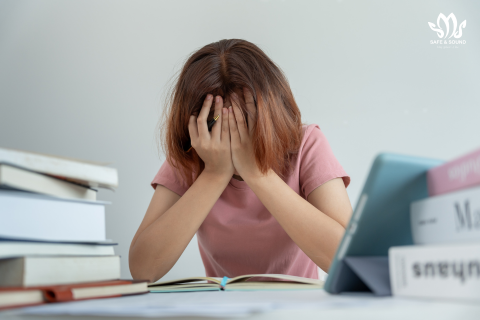
Image 1: Symptoms of Anxiety and Depression
3. 8 Steps to Cope with Sudden Depression and Anxiety
Once you recognize the symptoms of depression and anxiety, you can take the following steps to help manage and reduce their impact.
3.1. Stay Calm
When depression or anxiety strikes, the most important thing is to remain calm. Pause what you are doing, take deep breaths, and remind yourself that these feelings are temporary. This helps you stay focused and prevents fear from taking over.
3.2. Distract Yourself with Positive Activities
Instead of sitting still and letting anxiety or depression control you, try to shift your attention elsewhere. Engage in positive activities such as watching a comedy, taking a walk, or talking with friends. These actions can help your mind relax and reduce stress.
3.3. Accept Your Emotions
Many people tend to deny or avoid feelings of depression or anxiety. However, acknowledging that you are struggling mentally allows you to face the problem realistically — this is the first step toward finding a solution.
3.4. Practice Self-Care
Taking care of your body is an effective way to improve your mood. Eat healthy foods, get enough sleep, and make time for relaxing activities like taking a warm bath, reading, or meditating. When your body feels good, your mood improves as well.
3.5. Challenge Negative Thoughts
Depression and anxiety often come with negative thinking patterns that make you feel worthless or incapable. Challenge these thoughts by asking yourself if they are truly accurate. Doing this helps you break out of negative cycles and view your situation more objectively.
3.6. Exercise
Physical activity releases endorphins — the “happiness hormones” that boost mood. Even light exercises such as walking, yoga, or cycling can help relieve stress and anxiety effectively.
3.7. Avoid Stimulants
Caffeine, alcohol, and other stimulants can worsen anxiety and depression. If you’re going through a psychological crisis, avoid these substances. Instead, drink plenty of water and choose caffeine-free beverages to relax your body and mind.
3.8. Seek Support
If symptoms of depression and anxiety persist, seeking help from a mental health professional is essential. Professionals can help you understand the root causes and provide appropriate treatment strategies. Don’t hesitate to reach out to a doctor or counselor for timely support.

Image 2: Coping with Depression and Anxiety
4. Conclusion
Sudden depression and anxiety can make you feel lost, but with the right coping strategies, you can manage these conditions effectively.
Understanding the symptoms and practicing self-care are key steps to overcoming difficult times. If you ever feel overwhelmed, seek help from family, friends, or professionals for the support you need.
Safe and Sound Clinic - Psychological Support and Family Health
With a team of experienced doctors and experts, Safe and Sound Clinic is a pioneer in providing comprehensive healthcare for you and your family, offering services that cover both medical and psychological care.
"Early Prevention - Timely Support - Long-Term Companion."
.png)
If you suspect or encounter any physical or mental health issues, please contact HOTLINE 0964 778 911 (Phone/Zalo, 24/7) for prompt assistance and support!
HOW TO MAKE AN APPOINTMENT
You can schedule an online or in-person consultation with our experts:
- At SnS Clinic - IMT Institute
- Or download and schedule a consultation through the Safe and Sound app to manage and track your appointments anytime, anywhere.
Safe and Sound (SnS) - a part of the Institute of Medical Technology (IMT).
See more:
Learn about mixed anxiety and depressive disorder with psychologists | Safe and Sound
