

6 Ways to Monitor Heart Rate and Blood Pressure at Home for Proactive Health Management | Safe and Sound
Along with advances in healthcare technology and the growing trend toward proactive living, more and more people are beginning to monitor these indicators at home. This comes from a simple reality: the body often sends warning signals very early, before health problems become serious. By monitoring heart rate and blood pressure regularly, these data can help each person better understand their health status and make more appropriate adjustments to their lifestyle, rest, and daily habits.
Why Should Heart Rate and Blood Pressure Be Monitored Regularly?
Heart rate and blood pressure are considered two of the most basic health indicators, yet they provide considerable value when monitored over the long term.
Heart rate reflects the heart’s contractions and its ability to supply blood to the body, while blood pressure shows the force of blood against the arterial walls during circulation. Importantly, both indicators can change from day to day under the influence of many factors:
- Prolonged stress
- Lack of sleep
- Diet
- Level of physical activity
- Age
- Daily habits
- Underlying medical conditions
An abnormal reading at a single point in time does not necessarily indicate a health problem. However, if these changes occur continuously over a long period, they may be a signal worth paying attention to.
This is why experts consistently encourage home health monitoring rather than relying only on periodic checkups.
What Are Normal Heart Rate and Blood Pressure Levels?
Before exploring monitoring methods, users should understand that there is no single “perfect” number that applies to everyone. These indicators may vary depending on:
- Age
- Sex
- Physical condition
- Level of physical activity
- Medical history
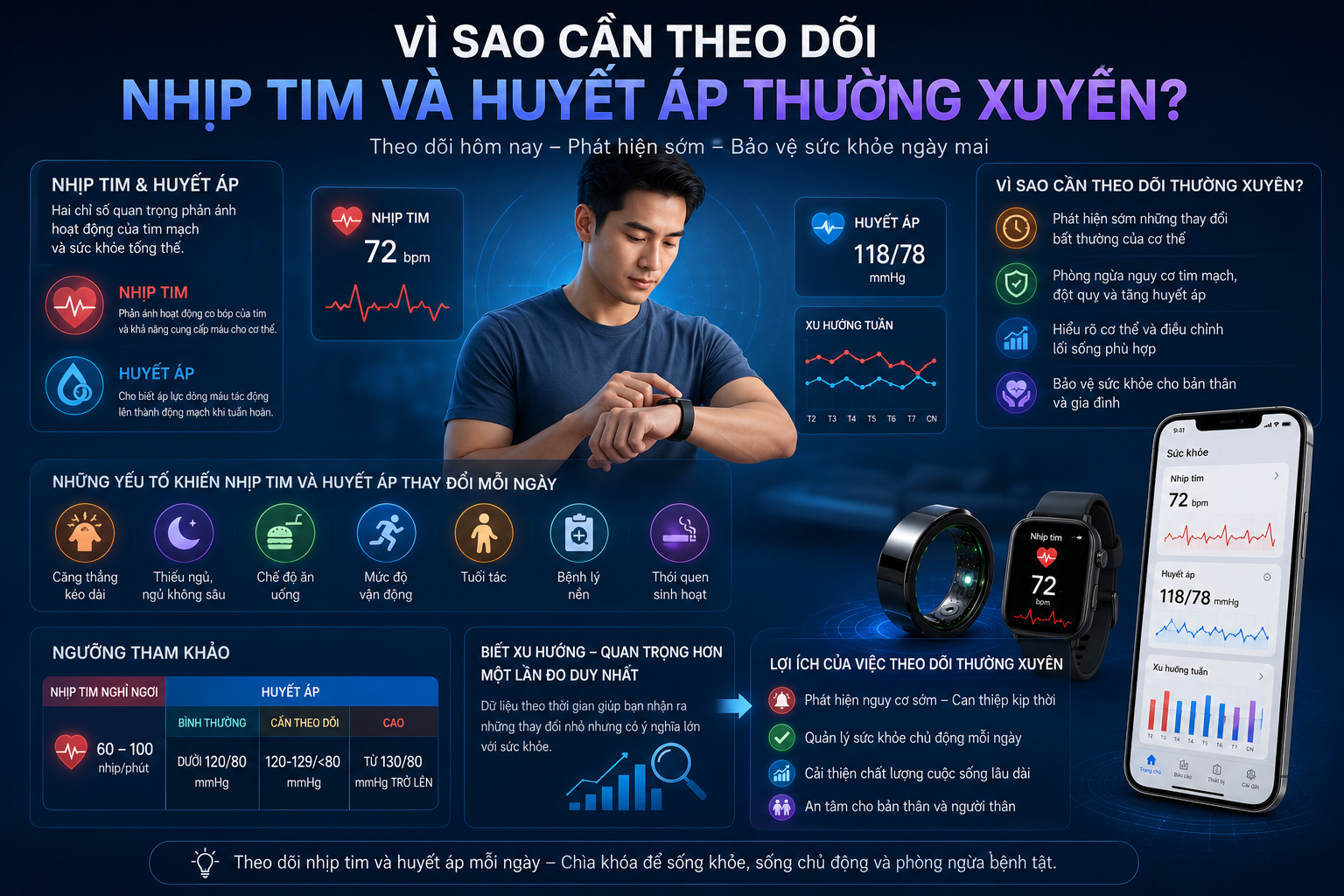
However, the following reference ranges are commonly used:
|
Indicator |
Reference Range |
|
Resting heart rate |
60–100 beats per minute |
|
Normal blood pressure |
Below 120/80 mmHg |
|
Blood pressure requiring monitoring |
120–129/<80 mmHg |
|
High blood pressure |
130/80 mmHg or higher |
It is important to note that trends over time are often more valuable than a single reading.
For example, if resting heart rate continues to rise over several weeks or blood pressure fluctuates more and more widely, these data deserve greater attention than a random abnormal result.
6 Effective Ways to Monitor Heart Rate and Blood Pressure at Home
Monitoring health at home has become much easier thanks to smart devices and modern healthcare technology. Depending on their needs, users can choose different methods to record daily health data.
Below are six common ways to monitor heart rate and blood pressure that many people currently use.
Method 1: Measure Blood Pressure with a Dedicated Home Monitor
This remains the most commonly used method. Electronic blood pressure monitors allow users to check their blood pressure within a few minutes without visiting a medical facility.
Advantages:
- Easy to use
- Reasonable cost
- Widely available
- Can be used at any time
However, this method only records data at the time of measurement. To monitor long-term trends, users need to save the results themselves or enter the data into health management applications.
Method 2: Check Heart Rate Manually
This is the simplest method and does not require any device. Users can place their fingers on the wrist or neck to feel the pulse and then count the number of beats over 60 seconds.
Advantages:
- No cost
- Can be performed at any time
- Easy to access
However, this method is only suitable for a quick reference. Users are almost unable to:
- Monitor continuously
- Detect changing trends
- Store long-term data
- Assess recovery capacity
Therefore, it is not an ideal solution if the goal is long-term health management.
Method 3: Use a Smartwatch
Smartwatches have become one of the most popular health-monitoring devices today. Thanks to integrated biological sensors on the wrist, these devices can support:
- Heart rate monitoring
- SpO2 monitoring
- Sleep monitoring
- Activity monitoring
- Physical activity statistics
The greatest advantage of a smartwatch is its ability to combine health data with everyday functions such as receiving calls and messages, controlling music, or making electronic payments. However, battery life and comfort during continuous wear remain limitations that lead many people to look for other solutions.
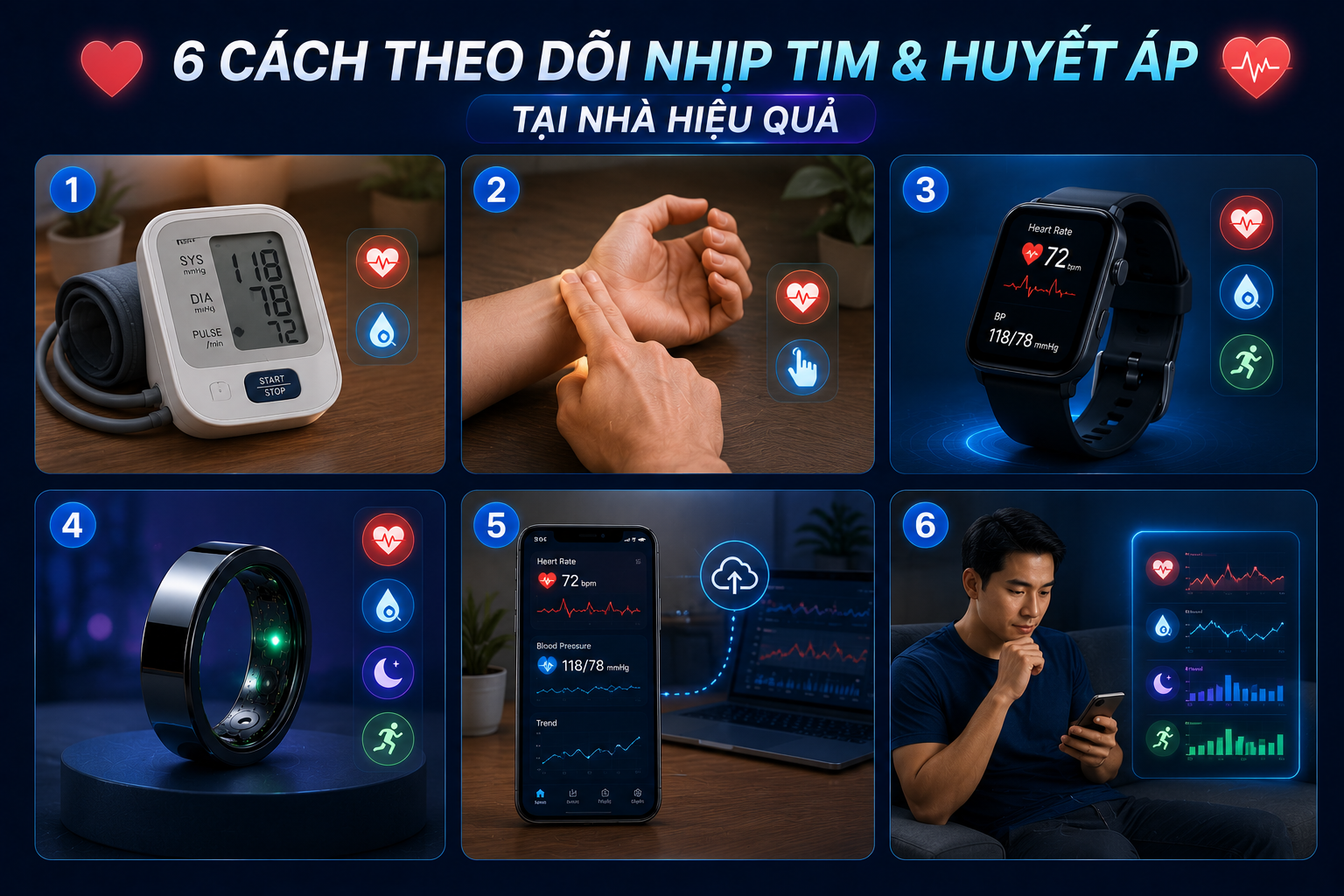
Method 4: Monitor Health with a Smart Ring
While smartwatches focus on versatility, health-monitoring smart rings are designed more specifically for continuous biological data collection.
Their compact design is the greatest advantage. Users can wear the device almost 24/7 without feeling inconvenienced during daily activities. Commonly recorded data include:
- Heart rate monitoring
- Blood pressure monitoring
- SpO2 monitoring
- Sleep monitoring
- Activity monitoring
- Recovery assessment
In particular, continuous data collection makes it easier for users to identify abnormal changes instead of relying on only a few isolated measurements.
Method 5: Combine a Monitoring Device with a Health Management Application
One common mistake is looking only at the data at the time it is measured. In reality, the greatest value of health monitoring lies in the ability to manage data over time. Modern health applications allow users to:
- Store measurement history
- Compare data by day
- Track data by week
- Track data by month
- Analyze health trends
As a result, users can see the overall picture rather than focusing only on individual numbers.
Method 6: Track Changing Trends Instead of Focusing Only on Individual Numbers
This is the most important step, yet it is also the one most often overlooked. For example:
|
Indicator |
Today |
After 3 Months |
|
Resting heart rate |
75 bpm |
Increased to 84 bpm |
|
Blood pressure |
Normal |
More frequent fluctuations |
|
Sleep |
Stable |
Gradual decline in quality |
|
Activity |
Normal |
Decreased by 25% |
If each day is viewed separately, these changes are very difficult to recognize. However, when data are stored continuously, users can clearly see the body’s long-term trends. This is also the true value offered by modern health-monitoring devices.
Abnormal Signs That Should Be Monitored Early
Monitoring heart rate and blood pressure is not intended for self-diagnosis or as a replacement for professional medical examinations. However, these indicators can reflect changes occurring inside the body before obvious symptoms appear.
In reality, many health problems do not appear suddenly in a single day but develop quietly over a long period. The body may continue to function normally and the person may maintain their usual routine, while biological indicators have already begun to change.
This is why home health monitoring is receiving increasing attention. Instead of waiting until clear symptoms appear, users can proactively identify abnormal signs through data recorded every day.
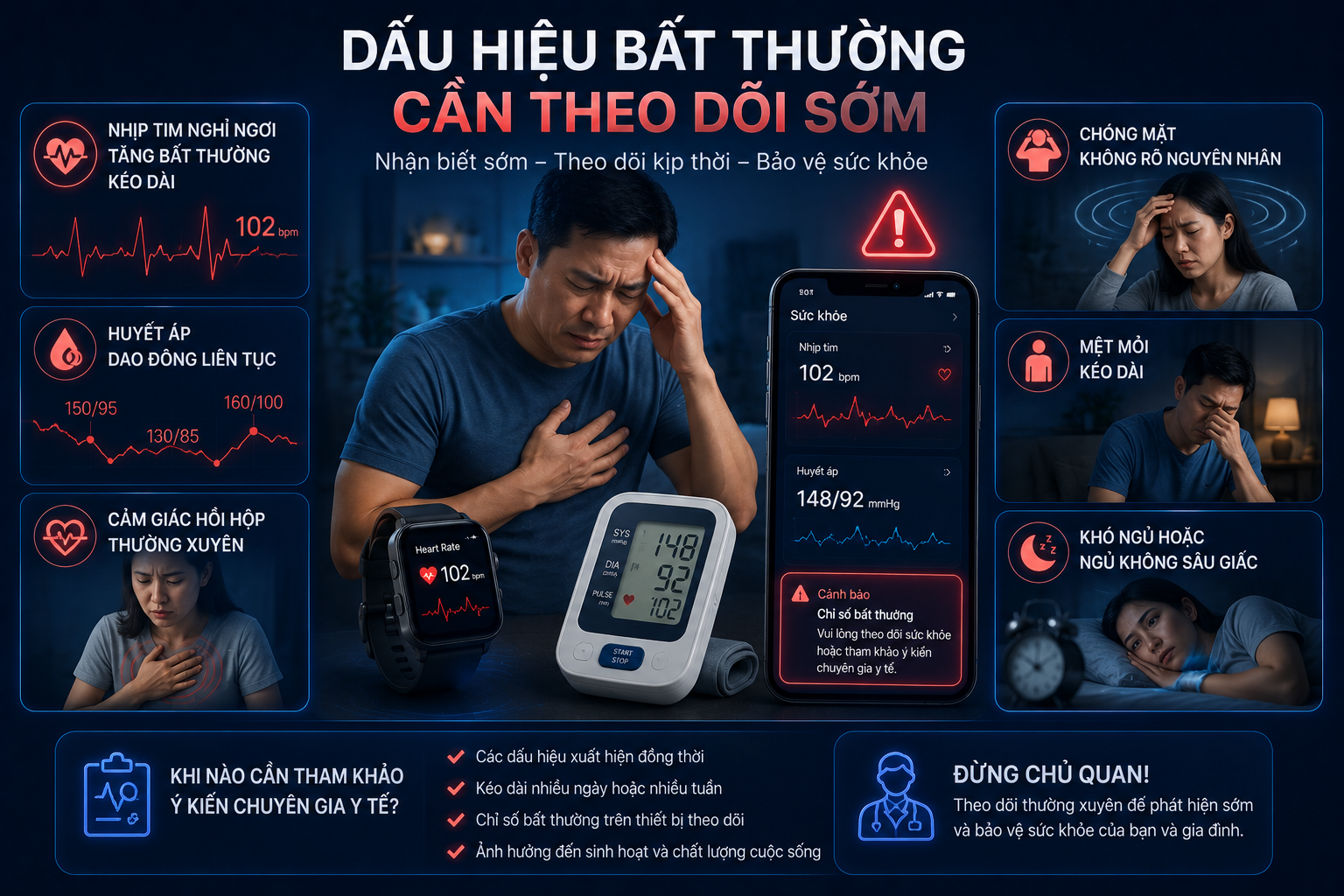
Some signals that require particular attention include:
- An abnormal increase in resting heart rate lasting for several days or weeks.
- Continuous blood pressure fluctuations without a clear cause.
- Frequent palpitations, a rapid heartbeat, or a pounding sensation in the chest.
- Dizziness, lightheadedness, or loss of balance.
- Persistent fatigue despite not exercising excessively.
- Difficulty sleeping, shallow sleep, or frequent awakenings during the night.
- Shortness of breath during light physical activity.
- A clear decline in recovery after exercise compared with the past.
It is important not to assess these signs in isolation. For example, one night of poor sleep or one mildly elevated blood pressure reading does not necessarily indicate a serious health problem. However, when several signs appear together and recur over a long period, they may indicate that the body is under pressure or experiencing changes that require closer monitoring.
For example:
|
Sign |
Appearing in Isolation |
Persisting Over Time |
|
Mild increase in heart rate |
May be due to temporary stress |
Requires further monitoring |
|
Blood pressure fluctuations |
May result from activity or emotions |
Should be noted |
|
Poor sleep for 1–2 nights |
Common |
Usually not overly concerning |
|
Continuous decline in sleep quality |
Rarely recognized through subjective feelings alone |
Data should be monitored |
|
Persistent fatigue |
May have many causes |
Requires greater attention |
This is also why modern health-monitoring devices do more than simply measure. Their greatest value lies in continuously recording data by day, week, and month, helping users identify changing trends that ordinary perception may fail to detect.
When indicators such as heart rate, blood pressure, sleep quality, and activity levels all show abnormal changes over a long period, users should proactively consult a doctor or healthcare professional for a more comprehensive assessment. Early detection is always an important factor in making long-term healthcare and management more effective.
Conclusion
Monitoring heart rate and blood pressure at home is no longer an activity reserved only for older adults or people with underlying medical conditions. With the support of modern health-monitoring devices such as smartwatches, smart rings, and personal health data management platforms, anyone can proactively monitor their physical condition every day.
What matters is not how many times measurements are taken, but the ability to monitor continuously, recognize changing trends, and build healthier habits based on one’s own real-world data.
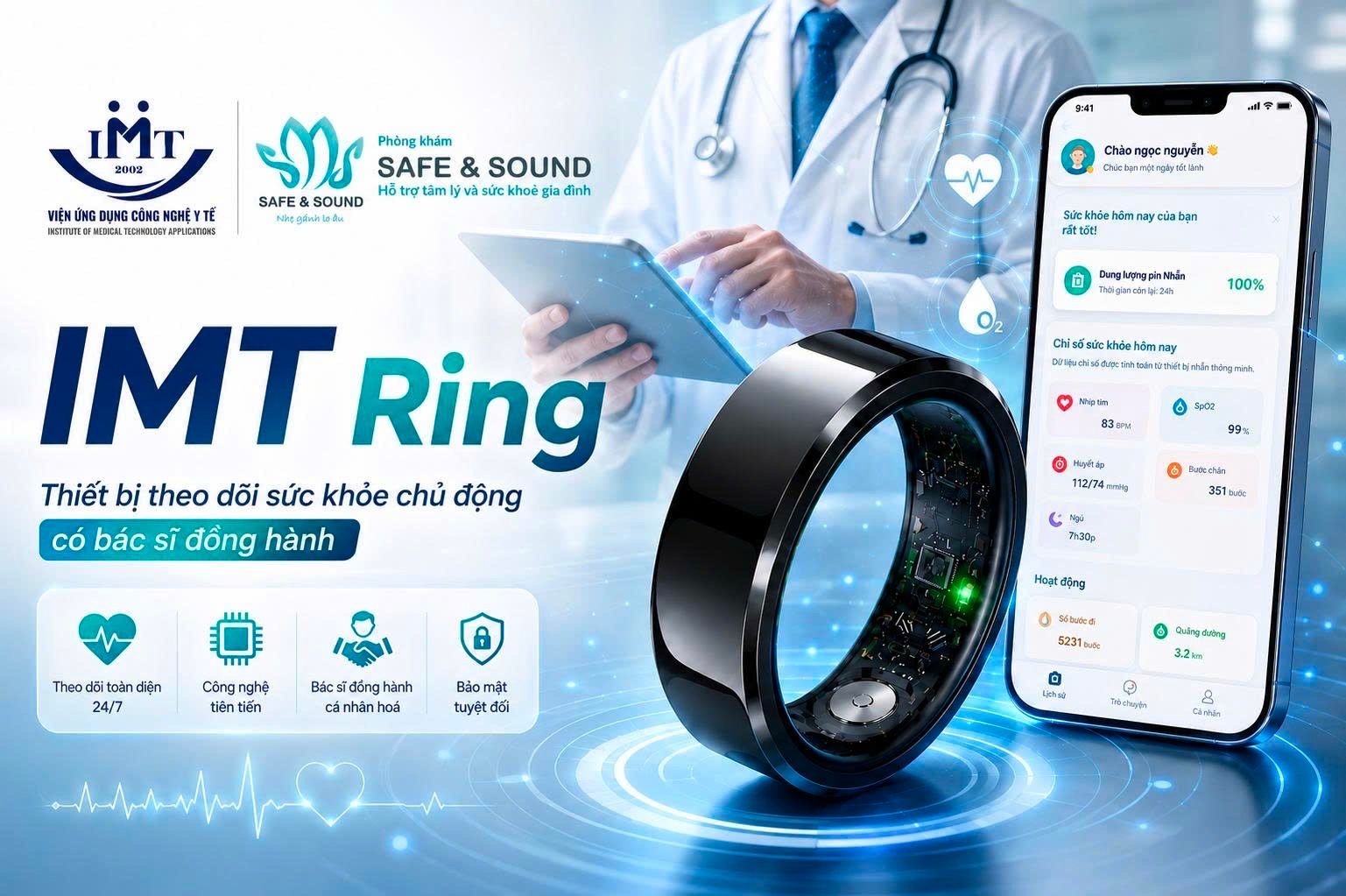
Developed with the direction of being a “proactive health-monitoring device supported by doctors,” IMT Ring not only helps monitor indicators such as heart rate, SpO2, blood pressure, and sleep, but also aims to build a comprehensive healthcare ecosystem. Through an AI-integrated technology platform and the ability to connect with specialists, users can easily monitor, manage, and better understand their health status every day.
If you are looking for a solution that makes proactive health monitoring simpler and more convenient in modern life, IMT Ring may be a worthwhile option for beginning your healthcare journey through the smallest daily changes
