

7 Proactive Health Care Habits Many People Maintain Every Day | Safe and Sound
Advances in technology, personal health-tracking devices, and growing awareness of quality of life have made the monitoring of health indicators part of many people’s daily routines. Instead of focusing only on illness, more people are beginning to build small habits that can make a major difference over time. So, what habits do people with healthy lifestyles tend to maintain each day? Below are 7 proactive health care habits that many people follow to better understand their bodies and manage their long-term health.
Why Are Proactive Health Care Habits Receiving Increasing Attention?
Health does not change in a single day.
Most physical health problems develop through very small changes that accumulate over time. These may include consistently going to bed late, being physically inactive, experiencing frequent stress, or having small changes in heart rate and blood pressure that go unnoticed.
What is important is that many unusual signs appear early without causing clear symptoms. When the body is still functioning normally, we often tend to overlook these changes.
Some common signals include:
- Sleep quality gradually declining over time.
- Resting heart rate becoming higher than usual.
- Daily physical activity becoming increasingly limited.
- Persistent fatigue despite getting enough sleep.
- Reduced recovery after work or exercise.
These changes may not cause immediate effects, but they can still provide meaningful information about overall health.
This is also why more people are shifting from a “treating illness” mindset to a “managing health” mindset. Instead of waiting for a problem to appear, they choose to build daily health care habits that help them monitor their bodies more proactively.
7 Proactive Health Care Habits Many People Maintain Every Day
In practice, people who maintain good health over the long term often do not rely on complicated methods. What makes the difference is consistently maintaining simple habits every day.
Below are seven habits many people choose to build a healthier and more proactive lifestyle.
Habit 1: Monitor Sleep Quality Every Night
Many people only focus on getting enough sleep and forget that sleep quality is the factor that determines how effectively the body can recover.
Good sleep not only allows the body to rest but also directly affects:
- The immune system.
- Cardiovascular health.
- Concentration.
- Emotional well-being.
- Daily work performance.
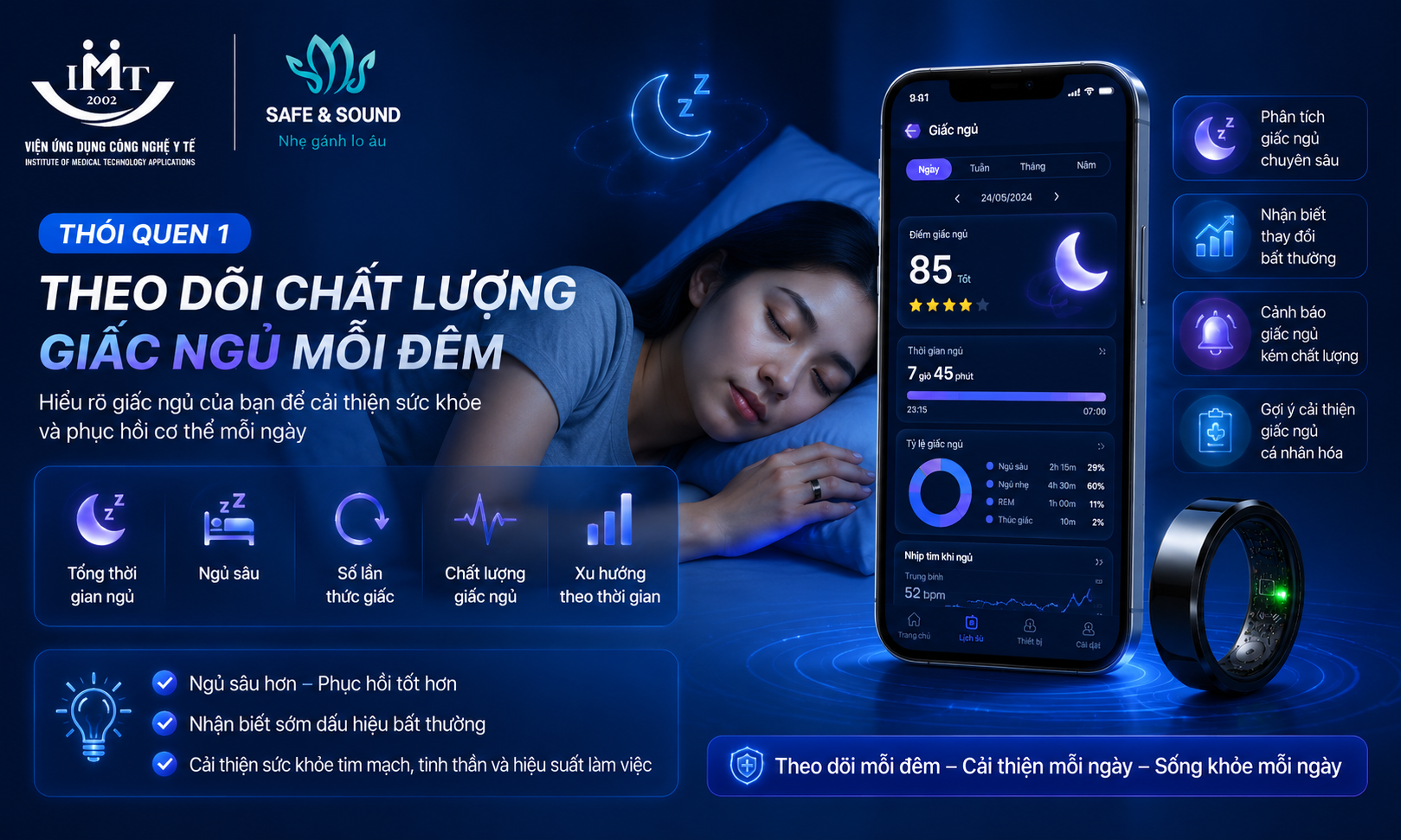
Today, sleep monitoring has become easier thanks to smart health-tracking devices. The data most commonly monitored include:
- Total sleep duration.
- Deep sleep duration.
- Number of awakenings.
- Overall sleep quality.
- Changes in sleep trends over time.
By understanding how they are sleeping, users can adjust their schedules, eating habits, and sleep environment to support better long-term health.
Habit 2: Monitor Heart Rate Regularly
Heart rate is one of the clearest indicators of the body’s current state. Each time the heart contracts to pump blood to the organs, this activity is reflected in the number of heartbeats per minute.
It is important not to focus on only one isolated measurement. People who pay attention to their health often monitor:
- Resting heart rate.
- Heart rate during physical activity.
- Heart rate during sleep.
- Changes in heart-rate trends by week or month.
For example, if resting heart rate continues to rise for several days even though daily habits have not changed, this may indicate that the body is under stress or has not fully recovered. Monitoring heart rate helps each person better understand their physical condition and how their body adapts over time.
Habit 3: Maintain Daily Physical Activity
Not everyone needs high-intensity exercise. However, regular movement is almost essential to a healthy lifestyle. Many studies show that maintaining regular physical activity may help:
- Improve cardiovascular health.
- Support metabolism.
- Manage body weight.
- Improve sleep quality.
- Reduce stress.
Simple activities such as walking, climbing stairs, cycling, yoga, or light jogging can provide meaningful benefits when maintained consistently. Instead of setting overly ambitious goals, many people track daily steps or exercise time to build more sustainable habits.
Habit 4: Drink Enough Water and Pay Attention to Nutrition
Water plays an important role in nearly every bodily function. However, it is also one of the habits most easily forgotten in modern life. Dehydration can affect concentration, work performance, metabolism, and body-temperature regulation.
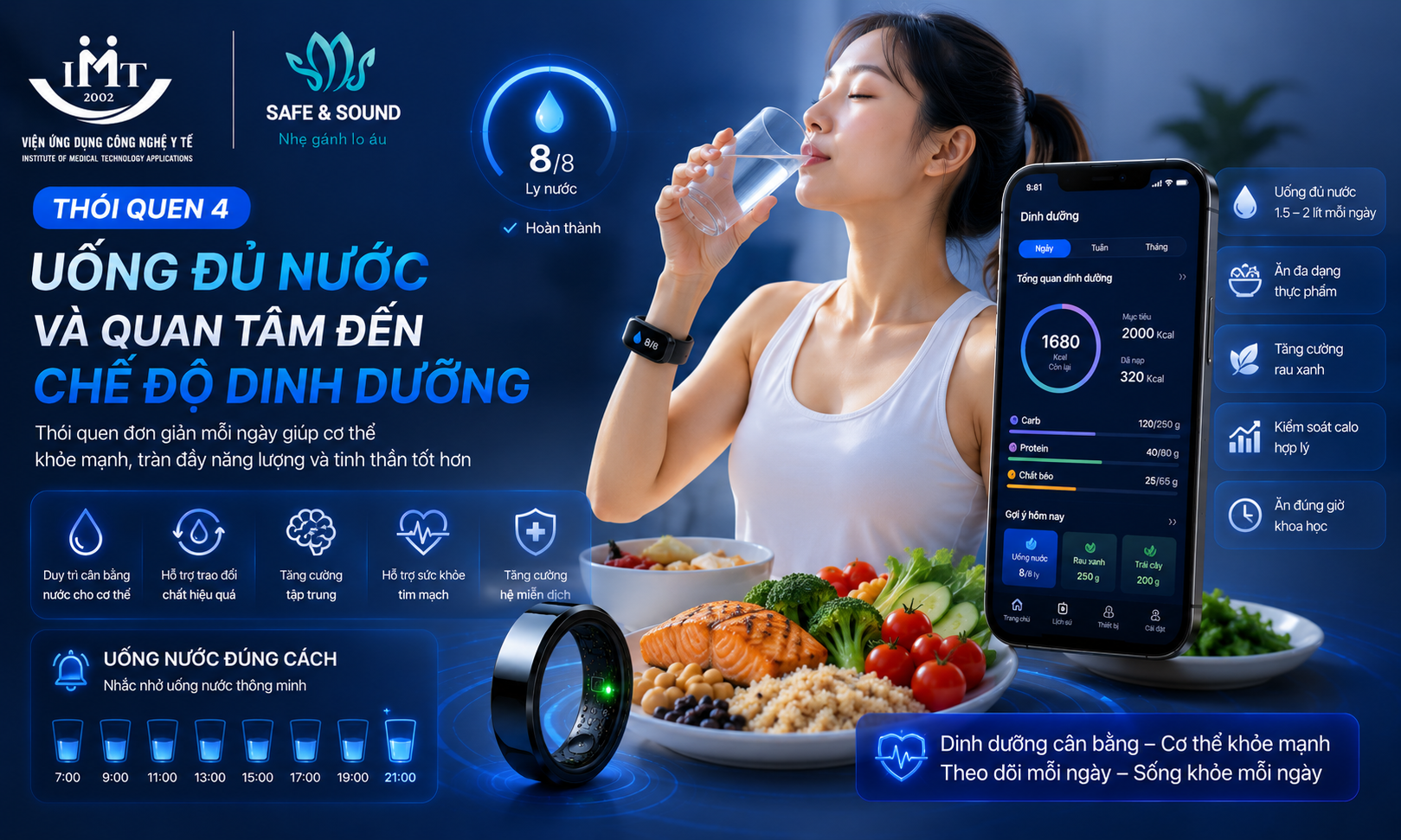
In addition, more people are paying attention to maintaining a balanced diet. Some common principles include:
- Eating a variety of foods.
- Increasing vegetable intake.
- Limiting sugary drinks.
- Controlling salt intake.
- Prioritizing fresh and minimally processed foods.
These are important foundations that help the body function steadily over the long term.
Habit 5: Manage Stress Instead of Simply Enduring It
Stress is a difficult part of modern life to avoid. However, what makes the difference is not whether stress exists, but how each person manages it. When stress persists, the body may experience changes such as:
- Increased heart rate.
- Difficulty sleeping.
- Persistent fatigue.
- Reduced concentration.
- Emotional disturbances.
People who practice proactive health care often make time for activities such as meditation, deep breathing, walking, reading, and healthy forms of recreation. The goal is not to eliminate pressure completely, but to give the body time to recover and regain balance.
Habit 6: Manage Personal Health Data
One of the biggest changes in modern health care is the use of data to understand the body. Today, many people do not rely only on subjective feelings but also monitor health indicators recorded continuously.
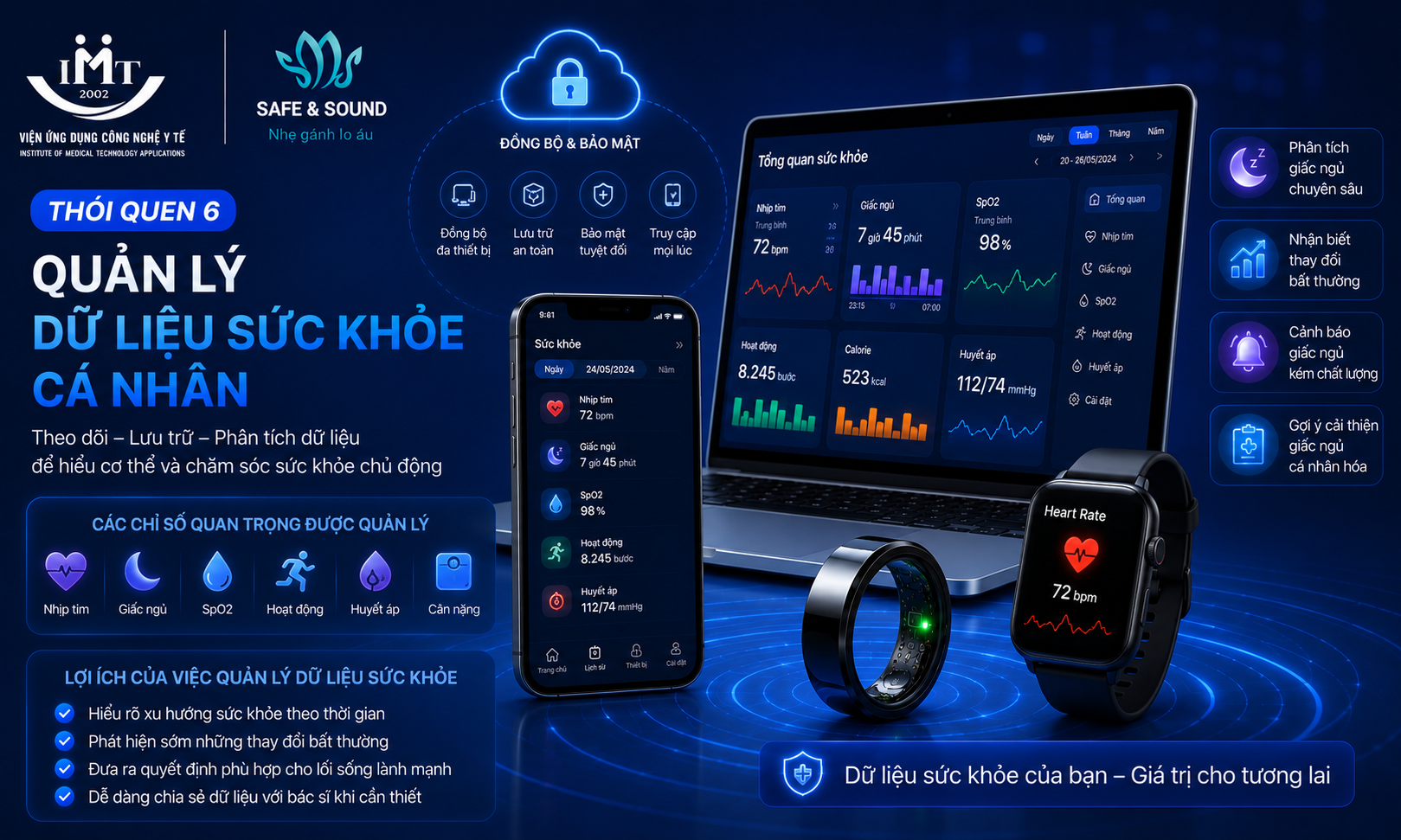
Commonly managed health data include:
- Heart rate.
- Sleep.
- Blood pressure.
- Physical activity.
- SpO2.
- Body weight.
When stored over time, these data can help users see trends that may be difficult to recognize through ordinary feelings alone. That is why managing health data is becoming one of the most common habits among people interested in proactive health care.
Habit 7: Have Regular Health Checkups and Proactively Consult Professionals
Technology can support daily health monitoring, but it cannot completely replace the role of health professionals. Regular health checkups remain an important part of long-term health care.
Key benefits include:
- Assessing overall health status.
- Detecting potential risks early.
- Checking more specialized health indicators.
- Receiving advice suited to individual health conditions.
By combining daily monitoring data with regular checkups, users can gain a more complete understanding of their health.
What Allows a Small Habit to Make a Big Difference to Health?
Many people believe that improving health requires major changes such as high-intensity exercise, strict diets, or spending a great deal of time on self-care. In reality, the clearest differences often come from small habits maintained consistently every day.
Going to bed 30 minutes earlier for one evening may not create an immediate change. Walking a few thousand extra steps in one day may not produce visible results. Spending a few minutes checking heart rate or reviewing sleep data may also seem like a very simple action.
However, when these small actions are repeated over weeks, months, or years, they can create meaningful differences in overall health.
This is also why people with healthy lifestyles often do not focus on short-term solutions. Instead, they build habits that can be maintained over time, helping the body remain monitored, cared for, and adjusted promptly when unusual signs appear.
As health care technology continues to develop, maintaining good habits has also become easier through continuous data recording, sleep monitoring, heart-rate tracking, and visual health-data management. This helps each person better understand their body and make more appropriate long-term health decisions.
As a result, seemingly small habits can become an important foundation for building a healthier and more proactive life every day.
Conclusion
Long-term health is not built through major decisions made in a single day, but through small habits maintained consistently. Monitoring sleep, tracking heart rate, staying active, managing health data, and proactively listening to the body are becoming common habits for many people in modern life.
When these habits are combined with suitable health care technologies such as smart health-tracking rings, each person can better understand their body, identify unusual changes earlier, and build a more proactive and sustainable lifestyle for the future.
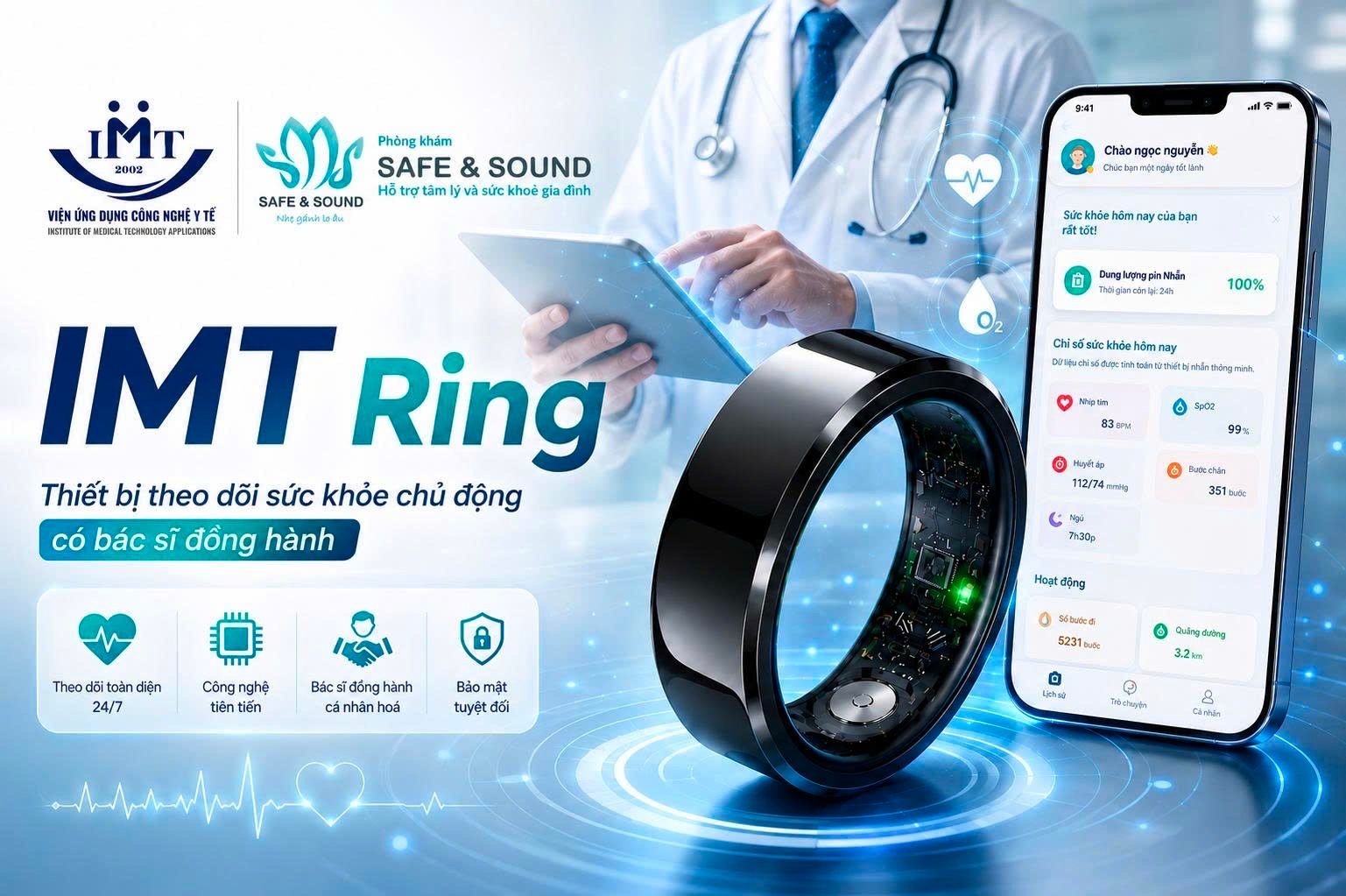
Developed with the vision of a “proactive health-tracking device supported by doctors,” IMT Ring not only supports the monitoring of indicators such as heart rate, SpO2, blood pressure, and sleep, but also aims to build a comprehensive health care ecosystem. Through an AI-integrated technology platform and access to health professionals, users can more easily monitor, manage, and better understand their health every day.
If you are looking for a simple and convenient solution that supports more proactive health monitoring in modern life, IMT Ring may be a worthwhile option for beginning a health care journey through the smallest daily changes.
