

A Summary of 6 Proactive Health Monitoring Methods to Help Detect Early Warning Signs | Safe and Sound
Many serious health conditions do not begin with obvious symptoms. Instead of waiting for illness to appear, regularly monitoring health indicators can help each person better understand their body, identify unusual changes early, and make timely adjustments. So, what are the most effective proactive health monitoring methods available today? Explore the approaches below to find the one that best suits your needs.
Method 1: Have Regular Health Checkups on a Fixed Schedule
Regular health checkups are one of the proactive health monitoring methods that medical professionals recommend maintaining every year. Through in-depth assessments such as blood tests, urine tests, blood pressure measurement, electrocardiograms, ultrasound examinations, or diagnostic imaging when necessary, doctors can evaluate the body’s overall condition.
The greatest strength of this method is its ability to identify potential health risks before clear symptoms appear. In practice, many conditions related to cardiovascular health, diabetes, fatty liver disease, or metabolic disorders can progress silently for a long time before producing recognizable signs.
However, regular health checkups also have certain limitations. The data collected reflect the body’s condition only at the time of examination and cannot easily capture changes that occur from day to day. For this reason, many people now combine regular checkups with frequent health-indicator monitoring to gain a more comprehensive understanding of their body.
Method 2: Monitor Health Indicators at Home
The widespread availability of personal medical devices has made home health monitoring easier than ever. With basic devices such as a blood pressure monitor, blood glucose meter, pulse oximeter, or electronic thermometer, users can actively check their health at any time.
This method is particularly suitable for older adults, people with underlying medical conditions, or those who are monitoring their health after treatment. Instead of waiting until unusual symptoms appear, regular measurements help users recognize changing trends in important indicators.
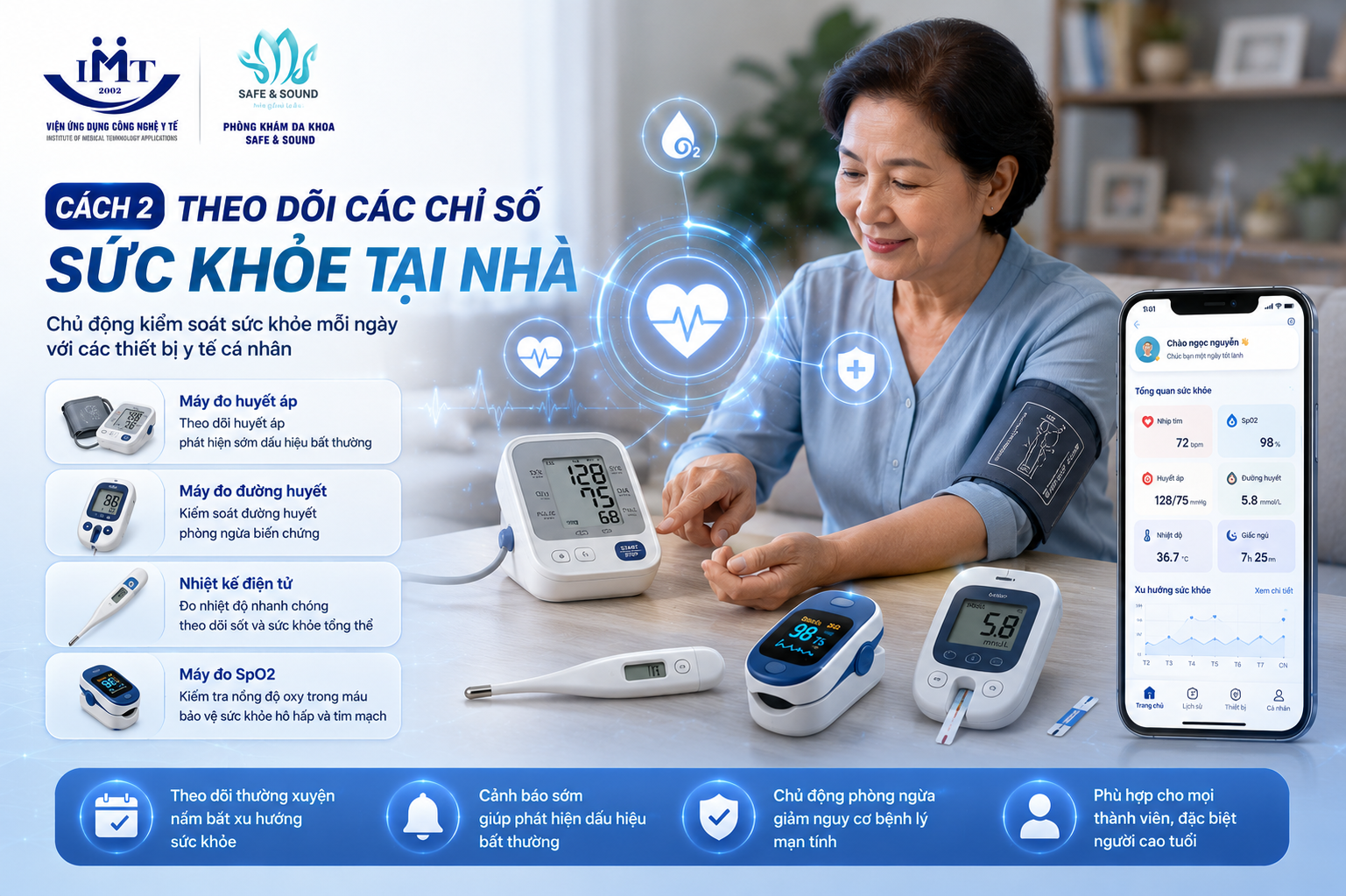
For example, if blood pressure remains elevated for several days or SpO2 falls unexpectedly, users can proactively consult a doctor for timely advice. This can help reduce the risk of overlooking the body’s early warning signs.
However, this method requires users to maintain a consistent habit of recording or storing data. If measurements are taken only occasionally when someone feels unwell, the effectiveness of health monitoring will be significantly limited.
>> Further reading: Top 5 Important Health Indicators You Can Monitor Daily at Home
Method 3: Record and Monitor Sleep Quality
Many people assess sleep quality based on subjective feelings. If they sleep for seven to eight hours, they assume the body has rested sufficiently. In reality, sleep duration is only one part of the overall health picture.
Sleep quality also depends on other factors such as deep sleep duration, the number of nighttime awakenings, circadian rhythm, and the body’s ability to recover after each night’s rest. A person may sleep for the recommended number of hours and still frequently feel tired, unfocused, or low in energy the next day.
Monitoring sleep helps users better understand the body’s recovery status. When data are recorded continuously over a long period, it becomes easier to identify habits that negatively affect health, such as frequently staying up late, using electronic devices before bedtime, or experiencing prolonged stress.
Sleep is also considered closely connected with cardiovascular, immune, and mental health. For this reason, it is increasingly viewed as an important part of proactive health care.
Method 4: Observe Heart Rate and Daily Activity Levels
Heart rate is considered one of the indicators that can closely reflect cardiovascular function and the body’s ability to adapt to influences from the surrounding environment. An increase in heart rate during physical activity is completely normal. However, if heart rate is frequently too high or too low even at rest, it may be a sign that requires further monitoring.
In addition to heart rate, daily activity level is another important health indicator that many people overlook. Sitting for long hours, being physically inactive, or maintaining a sedentary lifestyle may increase the future risk of metabolic and cardiovascular conditions.
Tracking daily steps, activity time, calories burned, or the amount of time spent standing and moving can help users better understand their daily habits. Based on this information, they can develop suitable exercise and activity plans to improve overall health.
Method 5: Use Smart Health Monitoring Devices
As technology continues to develop, smart health monitoring devices are becoming familiar companions for many people. In addition to supporting the measurement of basic indicators, these devices can store and analyze data over long periods.
Smartwatches, smart bands, and personal health sensors can currently support the monitoring of heart rate, SpO2, sleep quality, activity levels, and other related data. Instead of keeping records manually, users can review all their health information through a mobile application.
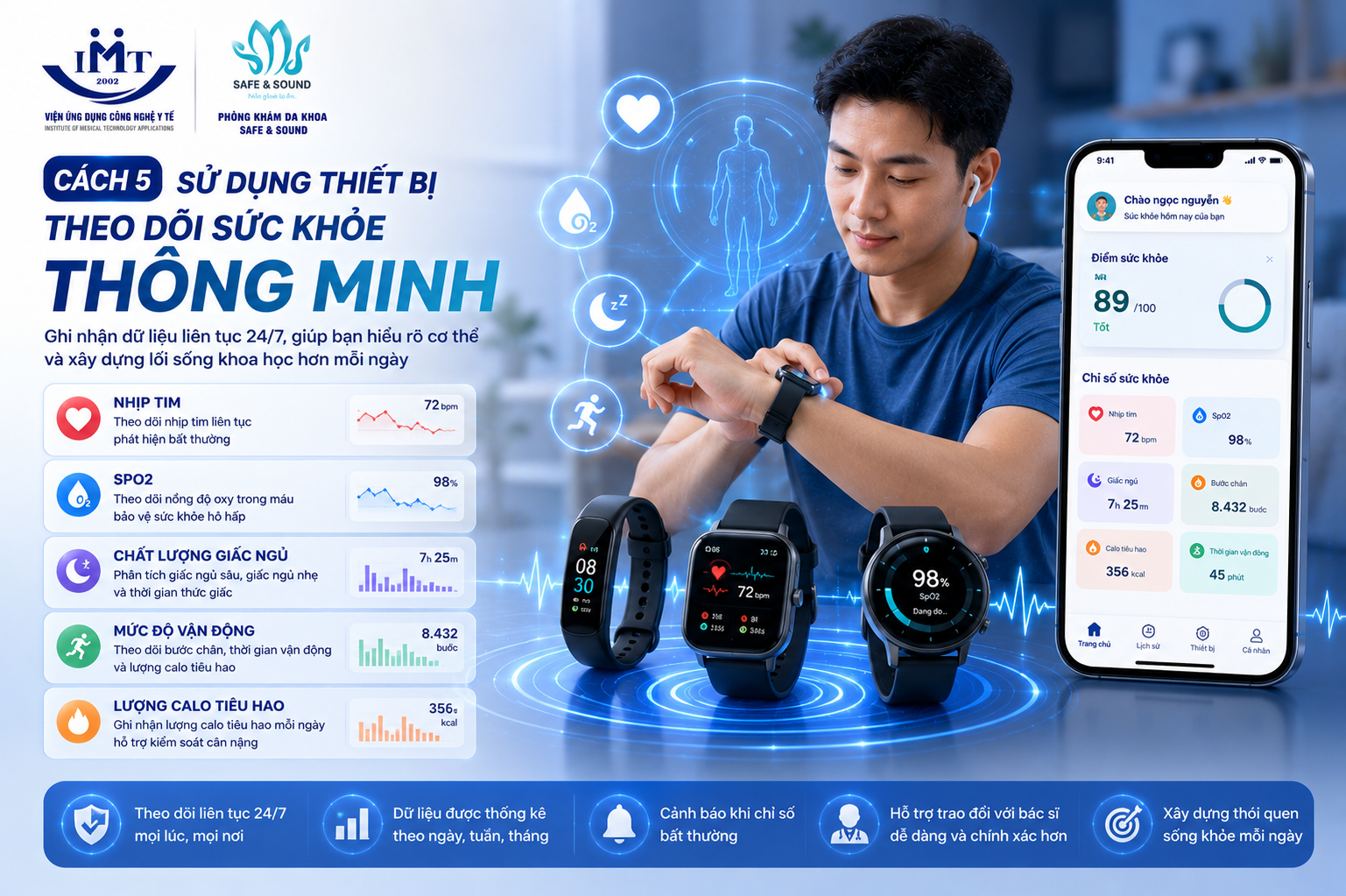
A major advantage of health monitoring devices is their ability to record data continuously, 24/7. When information is summarized by day, week, or month, users can more easily identify unusual changes that traditional monitoring methods may miss.
This is also why more people are applying technology to proactive health care rather than relying only on personal feelings.
Method 6: Use a Smart Ring for Daily Health Monitoring
In recent years, health-tracking smart rings have emerged as a new trend in wearable technology. Instead of being designed as a watch or wristband, a smart ring is optimized in the form of a compact ring, providing greater comfort during continuous use.
Despite its small size, a smart ring can integrate modern sensors that help monitor important health indicators such as heart rate, SpO2, blood pressure, sleep quality, and activity levels. The data are synchronized directly with a mobile application, allowing users to monitor their health anytime and anywhere.
The main difference of a smart ring lies in its ability to accompany users continuously throughout daily life. It can be worn while working, resting, or sleeping without causing the discomfort associated with some other wearable devices.
By monitoring data continuously over a long period, a smart ring can help users more easily recognize unusual changes in the body, allowing them to adjust their lifestyle or seek medical advice when necessary. This is one reason smart rings are considered a suitable solution for the trend toward proactive health care in the digital age.
>> Read more: 5 Important Health Indicators a Smart Ring Can Monitor Every Day
What Makes Proactive Health Monitoring Important?
Most health problems do not appear suddenly. Before developing into a clearly identifiable condition, the body often sends small warning signs that are easy to overlook in everyday life. These may include prolonged poor-quality sleep, unusual changes in heart rate, frequent fatigue despite adequate rest, or a decline in physical capacity without an obvious cause.
However, when relying only on subjective feelings, it can be difficult to understand how these changes are developing and whether they should cause concern. This is why more people are choosing proactive health monitoring instead of paying attention to their health only after clear symptoms appear.
When health indicators are monitored regularly, users have the opportunity to better understand how their body changes over time. Seemingly small data points such as sleep quality, resting heart rate, or daily activity levels can provide valuable information about overall health.
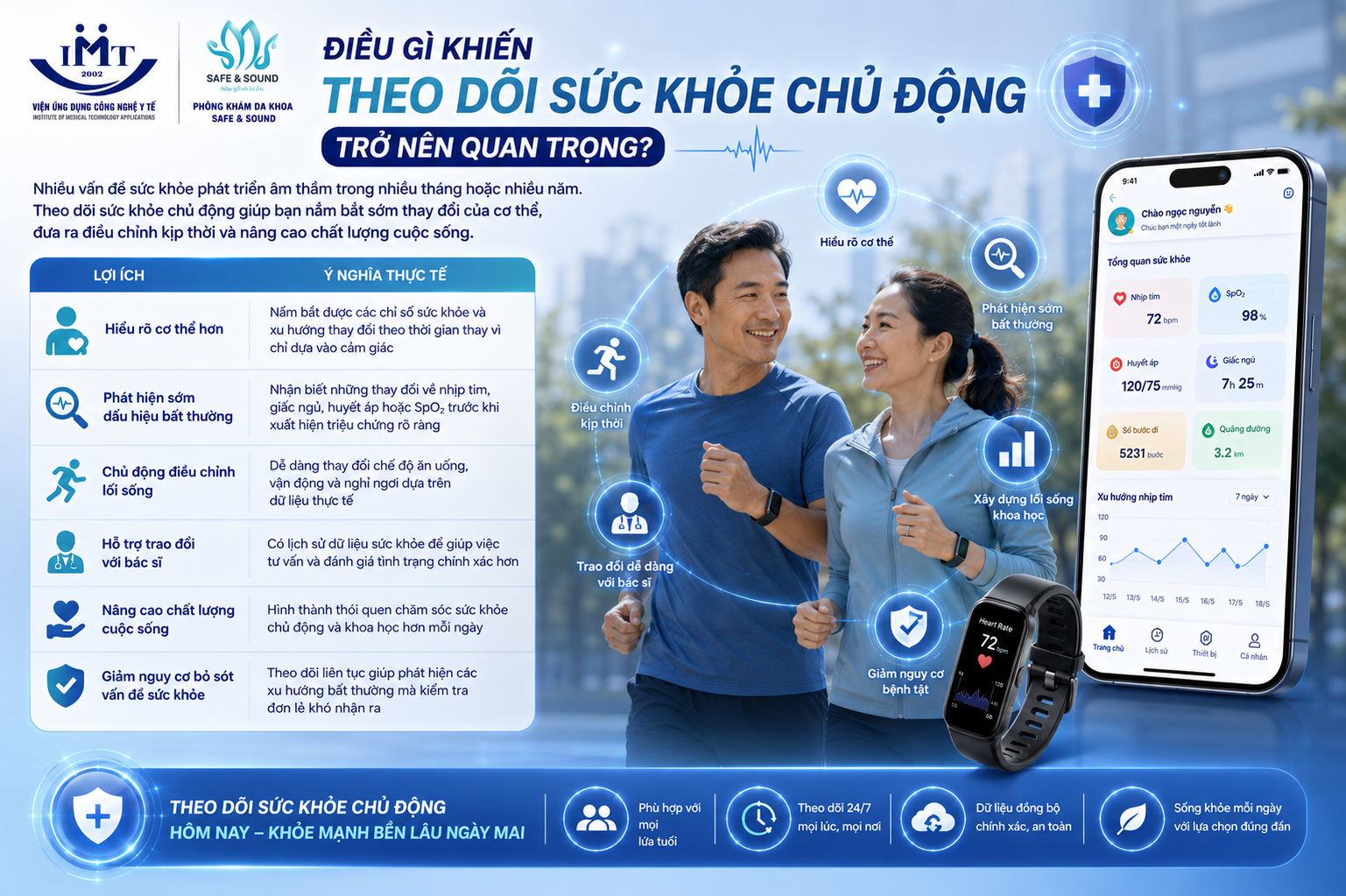
Continuous monitoring can also help users identify unusual signs earlier so they can adjust their lifestyle or seek medical advice when necessary. Instead of waiting until a health condition becomes more severe, recognizing risks early may help reduce future health complications.
|
Benefit |
Practical Significance |
|
Understand the body better |
Track health indicators and changing trends over time instead of relying only on personal feelings. |
|
Detect unusual signs early |
Recognize changes in heart rate, sleep, blood pressure, or SpO2 before obvious symptoms appear. |
|
Proactively adjust lifestyle |
Make changes to diet, physical activity, and rest based on actual data. |
|
Support communication with doctors |
Maintain a health-data history that can support more informed consultation and assessment. |
|
Improve quality of life |
Build a more proactive and evidence-informed daily health care routine. |
|
Reduce the risk of overlooking health problems |
Continuous monitoring can reveal unusual trends that isolated measurements may fail to detect. |
As technology continues to advance, proactive health monitoring has also become easier with the support of smart health devices. Instead of recording information manually, users can monitor important indicators such as heart rate, SpO2, blood pressure, sleep quality, and activity levels on a single platform.
This is also why solutions such as smartwatches and health-tracking smart rings are becoming familiar tools for many people in modern life. In addition to recording data, these devices can help users build proactive health care habits and make appropriate adjustments to maintain a healthier life every day.
Conclusion
Health is not assessed only through medical appointments; it is also reflected in the small changes that occur every day.
Applying proactive health monitoring methods such as regular health checks, sleep monitoring, heart-rate observation, and the use of smart health devices can help each person better understand their body and identify unusual signs earlier.
Within the trend of modern health care, solutions such as health-tracking smart rings are increasingly becoming effective support tools, making daily health monitoring and management more convenient, continuous, and proactive.
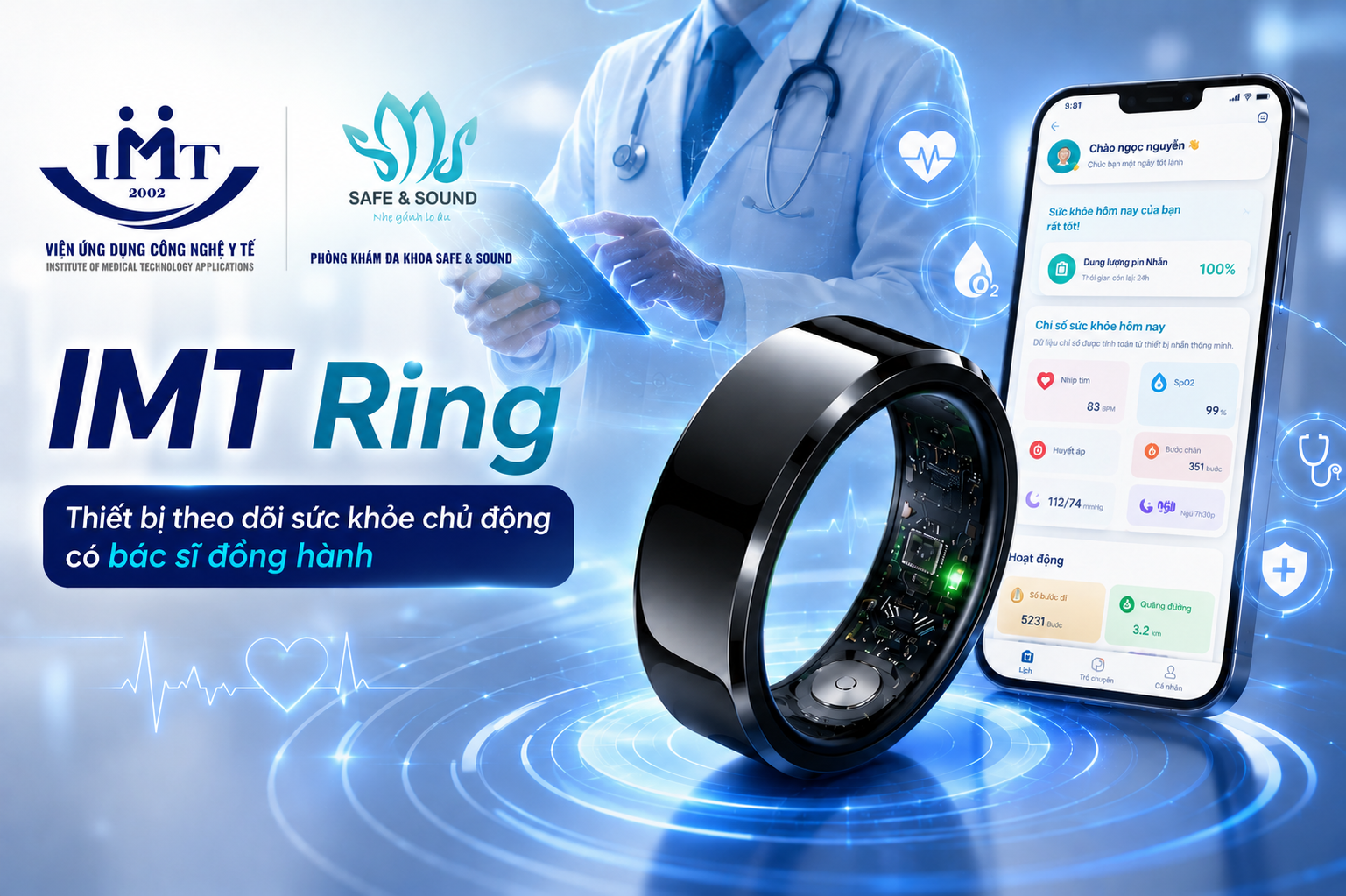
Developed with the vision of a “proactive health-tracking device supported by doctors,” IMT Ring not only supports the monitoring of indicators such as heart rate, SpO2, blood pressure, and sleep, but also aims to build a comprehensive health care ecosystem. Through an AI-integrated technology platform and access to specialists, users can more easily monitor, manage, and better understand their health every day.
If you are looking for a simple and convenient solution that supports more proactive health monitoring in modern life, IMT Ring may be a worthwhile option for beginning a health care journey through the smallest daily changes.
