

Chronic depression: Why do so many people live with it for years without knowing it? | Safe and Sound
Chronic depression doesn't usually begin with a major shock or dramatic, easily recognizable symptoms. For many people, things happen slowly: joy diminishes, motivation decreases, fatigue persists, and life seems to become a series of repetitive days. Because these changes happen gradually, they often think they're just stressed, maturing, or simply "that's just how I am."
What is chronic depression?
Chronic depression, also known as Persistent Depressive Disorder (PDD), is a type of mood disorder in which feelings of sadness, emptiness, or loss of interest persist for extended periods. Unlike the common perception of depression as always being a state of despair or inability to function normally, people with chronic depression sometimes manage to maintain their work, studies, and relationships. This makes their condition easily overlooked.
In chronic depression, symptoms may not be severe at any given time, but they persist. People with depressive disorders often feel a lack of energy, struggle to enjoy life, have little interest in things they once enjoyed, or constantly experience a vague, inexplicable sadness. These changes can last for months or years, gradually becoming a familiar part of life.
One confusing characteristic is that sufferers often no longer remember how happy, excited, or energetic they used to feel. When negative emotional states persist long enough, they tend to assume it's just their personality, a phase of life, or simply that "everyone goes through this as they grow up." Therefore, many only seek professional help when symptoms significantly impact their work, studies, or relationships.
It's important to understand that chronic depression isn't simply a fleeting feeling of sadness. It's a mental health condition that needs to be assessed based on its duration, impact on life, number of symptoms, and many other factors, rather than just whether a person cries frequently.
Why do so many people live with chronic depression without even knowing it?
Not everyone with chronic depression realizes they have a mental health problem. In fact, many only learn about the condition after years of feeling increasingly burdened without identifying the cause. This is because the symptoms often appear subtly, develop slowly, and are easily explained by familiar excuses such as work pressure, personality, or the fatigue of adult life.

The changes happen so slowly that they are difficult to notice.
Unlike a physical injury that appears immediately after an accident, chronic depression usually develops very slowly. Initially, it may just be a feeling of less enthusiasm for work, reluctance to meet friends, or feeling tired more easily than before. These small changes occur over weeks or months, so those with the disorder rarely notice a specific point in time when things started to change.
Over time, negative emotions gradually become a familiar state. They no longer compare themselves to their past selves but passively accept that life is simply like this. This process of adaptation makes identifying chronic depression much more difficult.
I was still going to school, working, and fulfilling my responsibilities, so I thought I was doing fine.
One reason chronic depression is often overlooked is that many people manage to maintain their daily lives. They still go to work on time, complete tasks, care for their families, or participate in social activities when needed.
However, simply functioning doesn't mean they're feeling okay. Behind that seemingly normal exterior, those with the syndrome may be struggling to maintain even the smallest daily tasks. Things that used to come naturally now feel like burdensome obligations, but because they still manage to complete them, they and those around them rarely consider the possibility that this is a mental health issue.
It can be easily mistaken for personality changes, stress, or chronic fatigue.
One common reason chronic depression goes undiagnosed is that its symptoms are easily attributed to familiar causes in life. Individuals often explain it away by saying they are simply under a lot of pressure, overworked, or simply have an introverted personality and don't express their emotions much.
Many people say to themselves:
- "I'm naturally a person of few words."
- "It's just that I've been too busy with work lately."
- "I guess every adult gets tired like this."
- "I'll be fine after a few days of rest."
These thoughts may be true for short periods. However, if feelings of sadness, lack of energy, loss of interest, or emptiness persist for months without improvement despite changing circumstances, it may no longer be simply stress or personality.
It's worth noting that stress is usually associated with a specific pressure and tends to lessen when the problem is resolved or when the body has time to rest. Chronic depression, on the other hand, can persist even when life is free of obvious events, leaving individuals feeling like they are merely "struggling to survive" rather than truly enjoying life.
Because I was used to that feeling, I didn't think I needed help.
When an emotional state lasts too long, people tend to adapt to it. This is also true for chronic depression. Instead of recognizing they are struggling, many people gradually come to see fatigue, lack of motivation, or feelings of emptiness as a normal part of themselves.
They no longer expect to feel happier or more energetic. Things that once brought them excitement gradually disappear from their lives, replaced by the daily chore of fulfilling responsibilities. Not because they are okay, but because they have become accustomed to always feeling "not okay."
This is also why many people only seek support when symptoms become more severe or begin to significantly affect their work, studies, family, or relationships. Meanwhile, if identified and assessed early, support can be much more readily available.
How is chronic depression different from persistent sadness or stress?
Feeling sad, tired, or stressed during a difficult period is something many people experience. However, these feelings do not necessarily equate to chronic depression. Here are some differences to help you understand better:
|
Criteria |
Prolonged sadness or stress |
Chronic depression |
|
Reason |
Often related to a specific event or pressure. |
It can last even when there are no longer any obvious stressors. |
|
Time |
They tend to improve when circumstances change or when they get rest. |
It can last for months, even years. |
|
Feeling |
Sometimes I feel sad, sometimes I feel better. |
Persistent low mood or feeling of emptiness |
|
Interest in life |
There are still times when I feel happy or excited. |
The decline in joy and motivation lasts for an extended period. |
|
Impact on daily life |
It usually only affects a specific period. |
It subtly impacts studies, work, relationships, and quality of life. |
|
Solution |
This can improve when the pressure is reduced or with rest. |
You should be evaluated by a specialist if symptoms persist and affect your life. |
It's important not to conclude whether or not you have depression based on just a few symptoms or comparison charts. Assessing a mental health condition requires a holistic consideration of many factors, such as the duration of symptoms, the extent to which they affect your life, and your individual context.
Instead of trying to attach a diagnosis to yourself, view this information as a way to help you identify long-lasting changes early on, so you know when to seek appropriate support.
When should you realize that this is no longer just "my personality"?
Many people only begin to learn about chronic depression after hearing someone say, "You look so different lately." This shows that sometimes outsiders notice the changes before the person experiencing them.
When an emotional state lasts too long, it's easy to mistake it for part of our personality. A once outgoing person might think they've simply "matured." Someone who used to enjoy socializing might think they've become "more introverted." A person who consistently lacks energy might tell themselves they're "lazy" or "lacking willpower." In reality, these changes don't always reflect your true self; sometimes they're signs that your mental health needs attention.
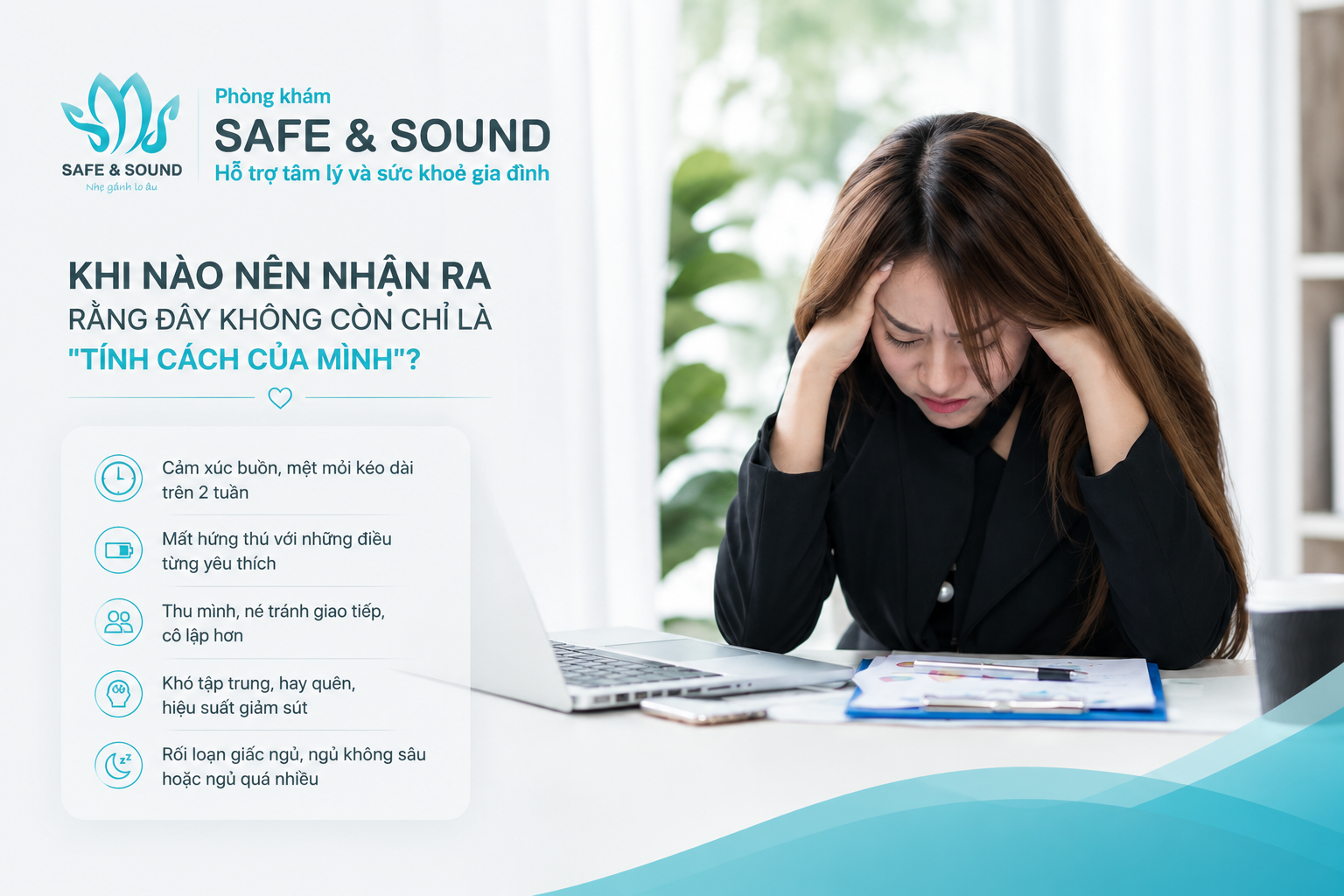
You might consider seeking professional help if you notice one or more of the following issues have persisted for an extended period:
- You can't remember the last time you truly felt happy, excited, or looked forward to something.
- Feelings of sadness, emptiness, or lack of energy appear almost daily and do not improve even when there are no major life events.
- Things that used to be simple, like waking up, going to work, studying, or meeting friends, have become a struggle.
- You are becoming increasingly withdrawn, less connected with those around you, or no longer want to participate in activities you once enjoyed.
- Family members notice significant changes in your personality, emotions, or daily routine.
- You frequently blame yourself, feel useless, are pessimistic about the future, or experience persistent negative thoughts.

In particular, if you experience thoughts of self-harm or feel that life has lost its meaning, these are signs that require immediate attention. Seeking support from a psychologist or mental health professional as early as possible will help reduce the risk of symptoms becoming more severe.
It's important not to wait until you "can't take it anymore" before seeking help. The goal of seeking medical attention isn't to receive a diagnosis, but to understand what's happening with your mental health and choose the right support.
Conclude
Chronic depression doesn't always manifest as intense emotions or obvious breakdowns. What makes it easy to overlook is that the symptoms are subtle, persistent, and gradually become "normal" in the eyes of those suffering from the depressive disorder. Therefore, many people continue to study, work, and fulfill their daily responsibilities, but inwardly feel tired, empty, or have lost interest in life.
If you notice changes in your emotions and energy that have lasted for months or years, don't immediately assume it's just personality or an inevitable part of growing up. Getting a professional assessment will help you understand what's really happening and choose the right support. Taking care of your mental health early on isn't a sign of weakness, but rather a way to care for yourself and regain quality of life and a sense of connection with yourself.
 At SNS (Safe & Sound Clinic), many people seek help not because they are certain they have chronic depression, but because they realize something very simple: they have been living in a state of exhaustion, emptiness, or lack of motivation for too long and don't want to continue suffering alone. Sometimes, just being listened to, properly assessed, and supported by a professional is a crucial first step in making the recovery journey easier.
