
Levels of Stress: How Do You Know How Stressed You Are? | Safe and Sound
Stress is a familiar part of life, and almost everyone has experienced periods of stress caused by work, study, finances, relationships, or changes in life. However, not all states of stress are the same. Some people only feel pressured for a short period of time and quickly regain balance, while others gradually experience effects on their health, emotions, and daily life without realizing it. Understanding the different levels of stress can help you recognize your condition earlier and take a more proactive approach to caring for your mental health.
What Is Stress and Why Can Stress Levels Differ from Person to Person?
Stress is the body’s response to pressures or challenges in life. This response can appear in many different aspects, including physical, mental, and emotional well-being.
Stress levels can vary from person to person because:
- People have different levels of tolerance for pressure: the same problem may feel manageable to one person but overwhelming to another.
- Living circumstances are different: finances, family, work, and personal responsibilities can make stress more severe.
- Coping styles are different: some people know how to rest, share their concerns, and reorganize problems, while others try to endure everything alone.
- Sources of support are different: people who have family, friends, or professionals supporting them often find it easier to recover.
- Personal experiences are different: pressures experienced in the past may make someone more sensitive to current stress.
These differences may be related to a person’s ability to adapt, the way they cope with pressure, their living circumstances, the support they receive from family and friends, as well as their individual experiences. Therefore, stress levels depend not only on what happens but also on how each person experiences and responds to the situation.
Levels of Stress: Not All Stress Is the Same
Stress does not always appear in the same way for everyone. Whether the pressure comes from work, study, or daily life, the level of impact can vary greatly depending on the intensity of the stress, how long it lasts, and each person’s ability to adapt.
It is important to note that the terms “mild,” “moderate,” and “severe” are not an official medical diagnostic classification system. They are a way of grouping stress levels based on the Depression, Anxiety and Stress Scale (DASS-21), helping people make an initial self-assessment of how stress is affecting their daily life.
Based on this approach, stress is commonly described at the following levels:
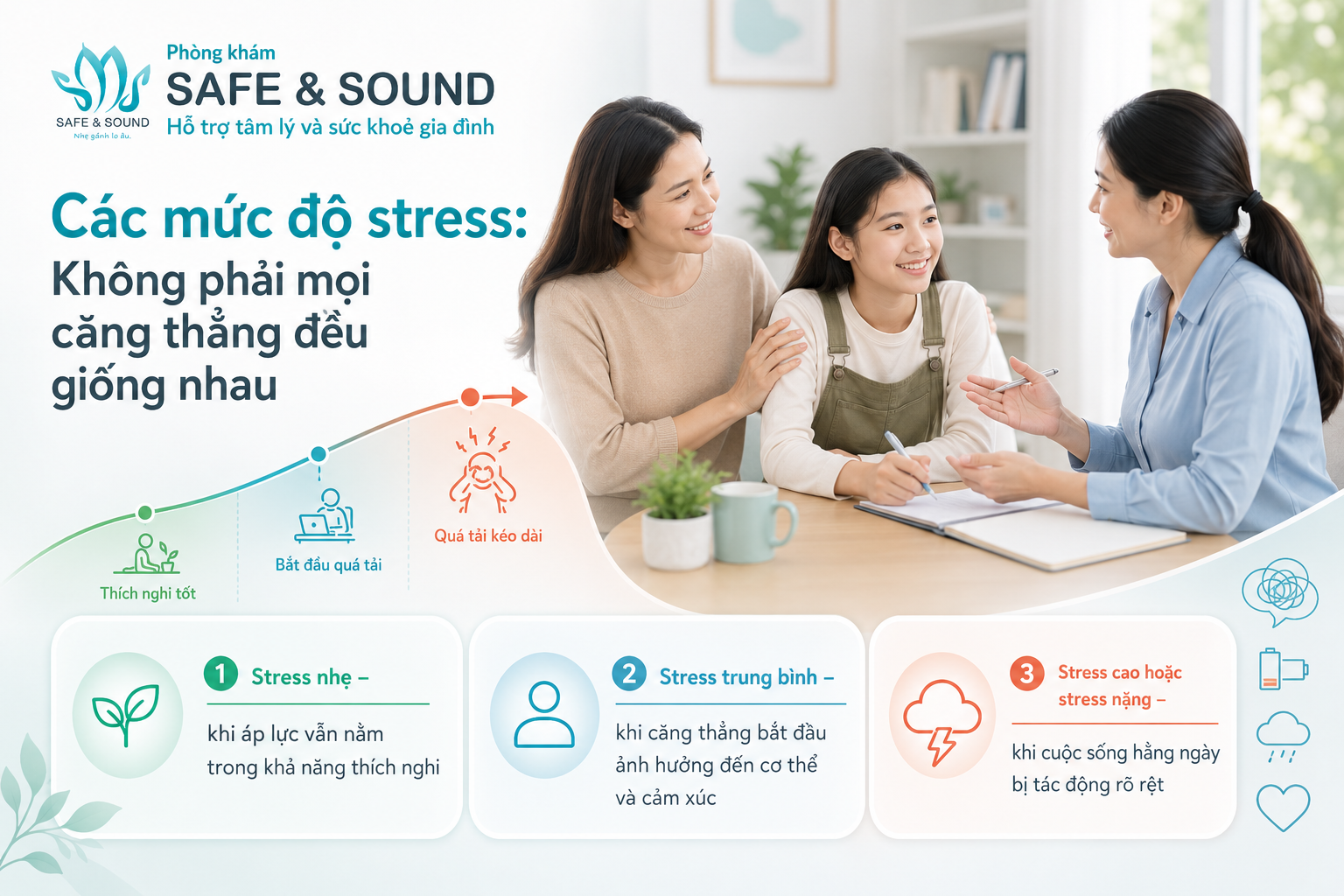
Mild Stress: When Pressure Is Still Within Your Ability to Adapt
Mild stress often appears when you face a specific source of pressure, such as a deadline, an exam, a job interview, an important meeting, or a small change in life. At this level, you may feel more tense than usual but are still able to manage your emotions, thoughts, and daily activities.
Some common signs include:
- Feeling slightly anxious or tense before a specific event.
- Having mild difficulty concentrating but still being able to complete tasks.
- Feeling slightly tired, experiencing muscle tension, or finding it difficult to relax for a short period of time.
- Still being able to sleep, eat, and communicate relatively normally.
- Feeling less stressed once the problem is resolved or after getting enough rest.
At a mild level, stress is not necessarily negative. It may help you focus, prepare more effectively, and stay motivated to complete tasks. However, if these signals are repeatedly ignored and the body is not given enough time to recover, mild stress may gradually build into a more severe level.
Moderate Stress: When Stress Begins to Affect the Body and Emotions
Moderate stress often occurs when pressure lasts for a longer period or comes from several sources at the same time, such as work, finances, family, or relationships. At this level, you are no longer simply “slightly stressed” but may begin to find it more difficult to manage your emotions, thoughts, and daily routine.
Some common signs include:
- Anxiety and tension occur frequently rather than being linked only to one specific situation.
- Concentration becomes noticeably more difficult, mistakes happen more easily, or tasks take longer to complete.
- Persistent fatigue, headaches, muscle tension, sleep disturbances, or irregular eating habits.
- Becoming more irritable or sensitive in communication, or wanting to avoid other people.
- Stress does not completely go away even after resting or resolving one particular problem.
At a moderate level, stress begins to noticeably affect work performance, health, and relationships. This is the stage when you need to pay closer attention to adjusting your routine, getting adequate rest, and finding ways to relieve pressure, because if it continues, stress may progress to a more severe and harder-to-manage level.
.png)
Severe Stress: When Daily Life Is Clearly Affected
High or severe stress often occurs when stress has persisted for a long time, exceeded the person’s ability to regain balance, and begun to clearly affect daily life. At this point, stress may not only cause fatigue but can also affect emotions, behavior, and decision-making.
Some warning signs include:
- Persistent insomnia or always waking up feeling exhausted.
- Feeling overwhelmed, stuck, or unsure where to begin.
- Difficulty controlling anger, anxiety, or feelings of sadness.
- Avoiding work, study, social interaction, or everyday responsibilities.
- Losing interest in activities that once felt enjoyable.
- The body remains constantly tense, painful, fatigued, or slow to recover.
- Frequently feeling that “I no longer have enough strength to cope.”
At this level, stress should no longer be viewed simply as “normal pressure.” If the condition persists, affects sleep, work, study, relationships, or makes you feel that you are losing control, seeking support is necessary.
Overall, stress levels are not completely separate from one another. Stress may move from mild to moderate and then become more severe if pressure continues and the body is not given enough time to recover. Therefore, the earlier you recognize your level of stress, the greater the opportunity to make adjustments before stress develops into exhaustion.
See also: Feeling Tired and Discouraged: Is It Stress or Depression?
How Do You Know What Level of Stress You Are Experiencing?
You should not assess your stress level based on a single symptom. One night of poor sleep does not necessarily mean severe stress, and one headache is not enough to conclude that the problem is serious. What matters is whether the signs occur frequently, how long they last, and how much they affect your daily life.
The table below can help you review your stress through four common groups of signs:
| Group of Signs | Possible Symptoms | When Should You Pay More Attention? |
|---|---|---|
| Physical signs | Headaches, muscle tension, neck and shoulder pain, stomach pain, palpitations, digestive problems, fatigue, changes in sleep | When these symptoms recur over several days, do not improve with rest, or begin to interfere with daily activities |
| Emotional signs | Irritability, sadness, excessive worry, restlessness, difficulty relaxing, feeling out of control | When emotional changes become more noticeable than before, you become easily overwhelmed, or find it difficult to stay calm in ordinary situations |
| Cognitive signs | Overthinking, difficulty concentrating, repeatedly thinking about negative outcomes, fear of making mistakes, feeling that everything is too difficult | When your mind is frequently consumed by pressure, it becomes difficult to stop worrying, or decision-making becomes difficult |
| Behavioral signs | Procrastinating, avoiding social interaction, irregular eating, using alcohol to relieve stress, overworking to distract yourself from stress | When behavioral changes continue over time and begin to affect work, study, relationships, or health |
These signs need to be considered in the overall context. If they appear only briefly after a short period of pressure, they may simply reflect a temporary stress response. However, if several groups of signs appear at the same time, persist, and increasingly affect sleep, work performance, emotions, or relationships, the stress may have moved beyond a mild level.
In other words, the level of stress is not determined by one isolated symptom, but by its frequency, duration, and level of impact. When your body, emotions, thoughts, and behavior are all changing at the same time, you should proactively adjust your routine or seek appropriate support.
Why Do Many People Fail to Notice That Their Stress Is Becoming More Serious?
Stress symptoms often do not appear in isolation but tend to affect several areas of life at the same time. A person may experience sleep difficulties, irritability, reduced work performance, and loss of interest in everyday activities simultaneously.
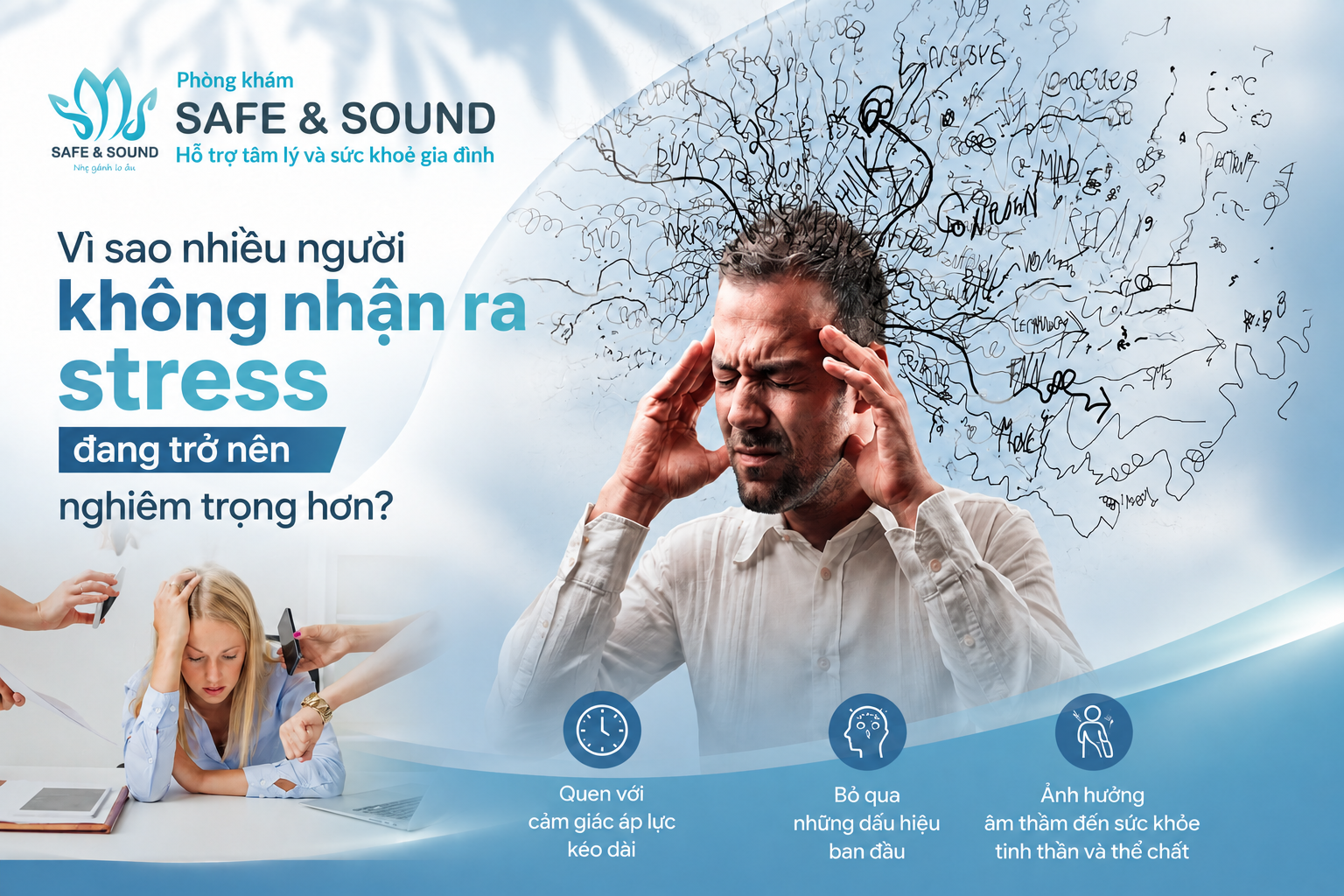
Another reason stress is difficult to recognize is that many people tend to adapt to pressure instead of addressing the underlying causes. They continue working, studying, or fulfilling daily responsibilities even when their body and mind have already begun to show warning signs.
In the short term, this may help them maintain normal functioning. However, over time, continually ignoring signs of stress can increase the risk of both physical and mental exhaustion.
There is no single sign that can determine exactly what level of stress a person is experiencing. What matters is observing persistent changes in your emotions, behavior, ability to function, and physical health.
When stress symptoms appear frequently, persist, or increasingly affect daily life, proactively identifying the causes and seeking appropriate support can help prevent further negative effects.
Can Stress Tests Accurately Assess Your Condition?
Online stress tests can help you take an initial look at your current condition. Some widely used and recognized scales include the Perceived Stress Scale (PSS), the Depression, Anxiety and Stress Scale (DASS-21), and the Holmes-Rahe Stress Inventory. Through these questionnaires, the results may suggest whether you are showing signs of mild, moderate, or severe stress based on your emotions, sleep, physical responses, and recent behavior.

However, test results should only be considered as reference information. They cannot replace a professional assessment because stress also depends on living circumstances, duration, physical health, accompanying problems, and each person’s ability to cope. Stress tests should be understood in the following way:
- Useful for: helping you pause and observe yourself, recognize signs of stress, and consider making lifestyle adjustments.
- Should not be used for: self-diagnosis, concluding that you have a serious condition, or replacing consultation with a professional.
- Also consider: how long the stress has lasted and how it has affected work, study, sleep, and relationships.
- Seek support if: the results indicate a high level of stress or you notice that the signs are occurring frequently.
A stress test can be a useful starting point, but what matters more is how you respond after recognizing that you are stressed. If you repeatedly take tests without addressing the causes, resting, or seeking support when needed, stress may continue.
See also: Distinguishing Stress from Anxiety Disorders with a Mental Health Doctor
Conclusion
The different levels of stress do not simply indicate whether you are more or less stressed; they also reflect how your body, emotions, and behavior are being affected. Mild stress may be a normal response, but if it persists or begins to affect sleep, work, and relationships, it should not be ignored.
You should consider seeking professional support when stress lasts for several weeks, does not improve despite rest, or is accompanied by signs such as insomnia, fatigue, difficulty concentrating, or irritability. If you have thoughts of harming yourself or feel unsafe, you should seek help as soon as possible.

Understanding stress levels correctly can help you know when you may be able to make adjustments on your own and when additional support may be needed. At SNS (Safe & Sound Clinic), you can be listened to, assessed, and guided toward support that is appropriate for your condition.
