

Postpartum Recovery Process: Tips for Coping with Physical and Emotional Changes
Giving birth is a wonderful experience, but it can also be a great physical and emotional challenge for mothers. This article will help you understand the changes after childbirth and offer solutions to help you overcome fatigue and stress, and maintain optimal health for yourself and your baby, based on advice from a psychologist.
Ngo Thanh Thien An | Psychologist - Safe and Sound Mental Health Care Application
Institute of Applied Medical Technology
1. What is the postpartum period?
The postpartum period begins immediately after the baby is born and lasts until the mother's body recovers to its pre-pregnancy state. This period is often called the "fourth trimester," but it can actually last for several months, depending on the individual mother's body. According to psychologists, the postpartum period typically has three main stages.
The three main stages of the postpartum period:
- Acute phase: In the first 24 hours after birth, the body begins the initial recovery process.
- Subacute phase: From 1 to 7 days after birth, physical symptoms become more pronounced.
- Late stage: From 6 weeks to 6 months, the mother's body and emotions gradually stabilize.

The postpartum period begins as soon as the baby is born.
2. Changes during the postpartum period
After giving birth, a mother's body undergoes a series of major changes. Psychologists say these are normal changes, but they can cause many mothers to feel anxious and insecure, affecting their overall health and emotional well-being.
2.1 Common postpartum symptoms
- Prolonged fatigue: Psychologists note that many mothers experience fatigue and exhaustion due to lack of sleep during childbirth. This period can last from several weeks to several months after delivery, depending on their health condition, level of care, and family support.
- Uterine contractions: The uterus contracts to prevent bleeding, but this can cause abdominal pain or discomfort for the mother.
- Postpartum bleeding: According to psychologists, this symptom usually lasts from a few weeks to 5 weeks, depending on the individual.
- Incision or episiotomy: After childbirth, if you have had a cesarean section or episiotomy, recovery can take from several weeks to several months.
- Back and muscle pain: Pregnancy and childbirth can put strain on the back and muscles.
See also: What are the effects of postpartum insomnia?
2.2 Health issues to be aware of
- Blood clots: This often occurs in mothers who have had a cesarean section. Psychologists suggest that light exercise such as walking may help reduce this risk.
- Postpartum bleeding: After childbirth, postpartum bleeding is completely normal. It can last from a few weeks to 6 weeks.
- Menstrual cycle: Menstrual cycles are often delayed, especially if the mother is breastfeeding. If exclusively breastfeeding, menstruation may not return for several months to a year. However, if not breastfeeding or only partially breastfeeding, the cycle may return after 6-8 weeks.
(Note: Even without menstruation, a mother can still become pregnant. If postpartum bleeding lasts longer than 6 weeks or shows any unusual signs, consult a doctor.)
- Urinary tract infection (UTI): Pelvic injuries can lead to infection if not properly cared for.
- Urinary incontinence: Urinary incontinence is the involuntary leakage of urine when people laugh, cough, sneeze, or perform any strenuous activity. This can be due to hormonal changes and stress on the body during pregnancy.
2.3 Difficulties when breastfeeding
When talking to a psychologist, some mothers often encounter problems such as:
- Nipple pain: This often occurs when breastfeeding is done incorrectly.
- Breast swelling and pain: This causes discomfort and can affect milk production.
- Mastitis: An infection of the breast can cause the mother to feel more pain and fatigue.

Common problems mothers encounter while breastfeeding.
2.4 Emotional changes during the postpartum period
According to psychologists, mothers often experience the following psychological states after giving birth:
1. Mood swings (Baby blues)
- Timing: Appears within the first week after birth and usually lasts from a few days to two weeks.
- Symptoms: Sadness, easy to cry, fatigue, difficulty concentrating, feelings of anxiety or stress.
- Causes: Rapid hormonal changes (decreased estrogen and progesterone), lack of sleep, stress of caring for a newborn.
Mood swings are common after childbirth and are usually not serious. However, these emotional changes can cause mothers to feel stressed and struggle to manage their emotions. Seeing a psychologist can help mothers learn how to manage their emotions, reduce anxiety, and navigate this period more easily.
2. Postpartum depression
- Timing: It can appear at any time during the first year after birth, but usually occurs within the first 1-3 months.
- Symptom:
- Deep sadness or despair.
- Loss of interest in everyday activities.
- Feelings of guilt or insecurity about one's ability to be a mother.
- Excessive fatigue, difficulty falling asleep even when the baby is asleep.
- Thinking about harming yourself or the baby.
- Causes: A combination of hormones, stress, and feelings of isolation.
Postpartum depression can seriously impact mental health and the ability to care for both oneself and the baby. Without timely treatment, mothers may feel unable to control their emotions, leading to fatigue and despair. Consulting a psychologist is an effective way to receive support and treatment.
3. Postpartum anxiety and fatigue
- Duration: It may appear immediately after birth and last throughout the period of caring for the baby.
- Symptoms: Anxiety about caring for the baby, fatigue due to lack of sleep, stress from the pressure of caring for a newborn 24/7.
- Cause: Prolonged sleep deprivation and the stress of caring for a baby can leave mothers feeling overwhelmed, leading to anxiety and exhaustion.
Anxiety and fatigue are common postpartum emotions, especially when mothers are constantly caring for their babies. If these feelings persist and are left unchecked, mothers may feel overwhelmed. Seeking help from a mental health professional is an effective way to cope with and manage emotions during this period.
4. Hormonal imbalance after childbirth
- Duration: This usually lasts from a few weeks to a few months after birth.
- Symptoms: Mood swings, irritability, sadness, or difficulty controlling emotions.
- Cause: Hormones in the mother's body change dramatically after childbirth, especially a drop in estrogen and progesterone.
Hormonal imbalance is one of the causes of postpartum mood swings. This can make mothers feel erratic or irritable without being able to control themselves. If this condition persists, mothers should seek help from a psychologist to manage their emotions and restore their mental health.
See also: 6 warning signs of postpartum depression
3. The level of danger posed by psychological changes
3.1 Effects on the health of mother and baby
- When a mother's body lacks the energy or motivation to care for her baby, it can lead to an inability to adequately meet the baby's nutritional and emotional needs.
- Psychologists share that children who do not receive adequate care during this period may experience negative impacts on their intellectual and emotional development.
3.2 Risk of suicide or harming others
- Psychologists emphasize that there have been cases where mothers have had thoughts of harming themselves or their babies due to feelings of despair and loss of emotional control.
- This is an emergency situation; if the mother has thoughts of harming herself or the baby, immediate intervention from a psychologist is necessary.
3.3 Impact on the family
- According to psychologists, mood swings can be a major cause of family conflict, weakening marital relationships and affecting other children in the family.
4. How to take care of yourself during the postpartum period.
Postpartum self-care is a holistic process, encompassing both physical and emotional well-being. To navigate this period healthily and happily, psychologists have shared several tools and skills to help mothers care for both their bodies and minds, thereby supporting them in effectively navigating the postpartum phase.
4.1 Healthy diet
- Eat plenty of green vegetables, fruits, and protein-rich foods : Vegetables and protein-rich foods provide the body with sufficient vitamins and minerals, supporting the recovery process. Green vegetables like spinach, kale, and broccoli help supplement iron and calcium, while fruits like oranges and kiwis provide vitamin C, which helps boost immunity and skin health.
- Stay hydrated : Drinking enough water is extremely important, especially if you are breastfeeding. You need to stay hydrated to maintain your milk supply and prevent dehydration. Water, fresh fruit juices, or herbal teas are good choices.
- Avoid fast food and alcoholic beverages : Fast food and alcoholic drinks not only hinder the recovery process but can also cause long-term health problems such as weight gain, fatigue, or reduced milk quality if the mother is breastfeeding.
4.2 Gentle exercise and relaxation
- Yoga or walking : After giving birth, mothers should start with gentle exercises such as yoga or walking to reduce stress, improve blood circulation, and strengthen muscles. These exercises not only help the body recover quickly but also alleviate mental stress.
- Follow your doctor's instructions : If you have postpartum health issues, such as back pain, abdominal pain, or post-operative problems, it's crucial to consult your doctor for a suitable exercise plan. Your doctor can guide you through specific rehabilitation exercises.
4.3 Get enough sleep
- Get 7-8 hours of sleep each day : Lack of sleep can cause fatigue, reduced concentration, and worsen anxiety. Mothers should try to get enough sleep so their bodies can recover and regenerate energy. If possible, sleep with your child while they sleep to take advantage of this rest time.
- Quality sleep : It's not just about getting enough sleep, but also about getting deep and restful sleep. Mothers can use relaxation techniques such as listening to soft music, meditating, or reading to help them fall asleep more easily.
4.4 Mental health care, connection, and seeking help.
- Sharing experiences and receiving support in parenting groups : Joining parenting support groups, whether in person or online, helps mothers avoid feeling alone on their journey to motherhood. Mothers can connect with experienced mothers, share their feelings, and receive advice from other mothers. These groups are often where mothers find encouragement and support from others in similar situations.
- Family bonding : Support from loved ones, especially from the husband or partner, is crucial in helping mothers navigate postpartum emotional changes. Mothers can spend quality time with their families, talking, sharing childcare responsibilities, and providing emotional support.
- Consult a psychologist if needed: If you feel emotionally overwhelmed, irritable, or show signs of postpartum depression, seek help from a psychologist. A psychologist can help you identify your emotions and provide methods to manage them, reduce anxiety, and alleviate stress.
- Learning to manage emotions: A psychologist can guide mothers through relaxation techniques, meditation, or stress coping methods. Learning to manage emotions will help mothers improve their mood, overcome negative feelings, and face the challenges of the postpartum period more smoothly.

Psychologists and mental health professionals can help mothers:
- Early detection and management of postpartum depression symptoms.
- Providing advice and strategies to improve mental health.
- Immediate emotional first aid aims to help overcome negative emotions and strengthen bonds with children and family.
The postpartum period is a crucial time for mothers to recover from pregnancy and childbirth. Although this journey is not easy to face and overcome, long-term support from a psychologist and psychiatrist will help ensure that both mother and baby receive the best possible care.
See also: Helping postpartum women overcome depression: the importance of professional mental health support
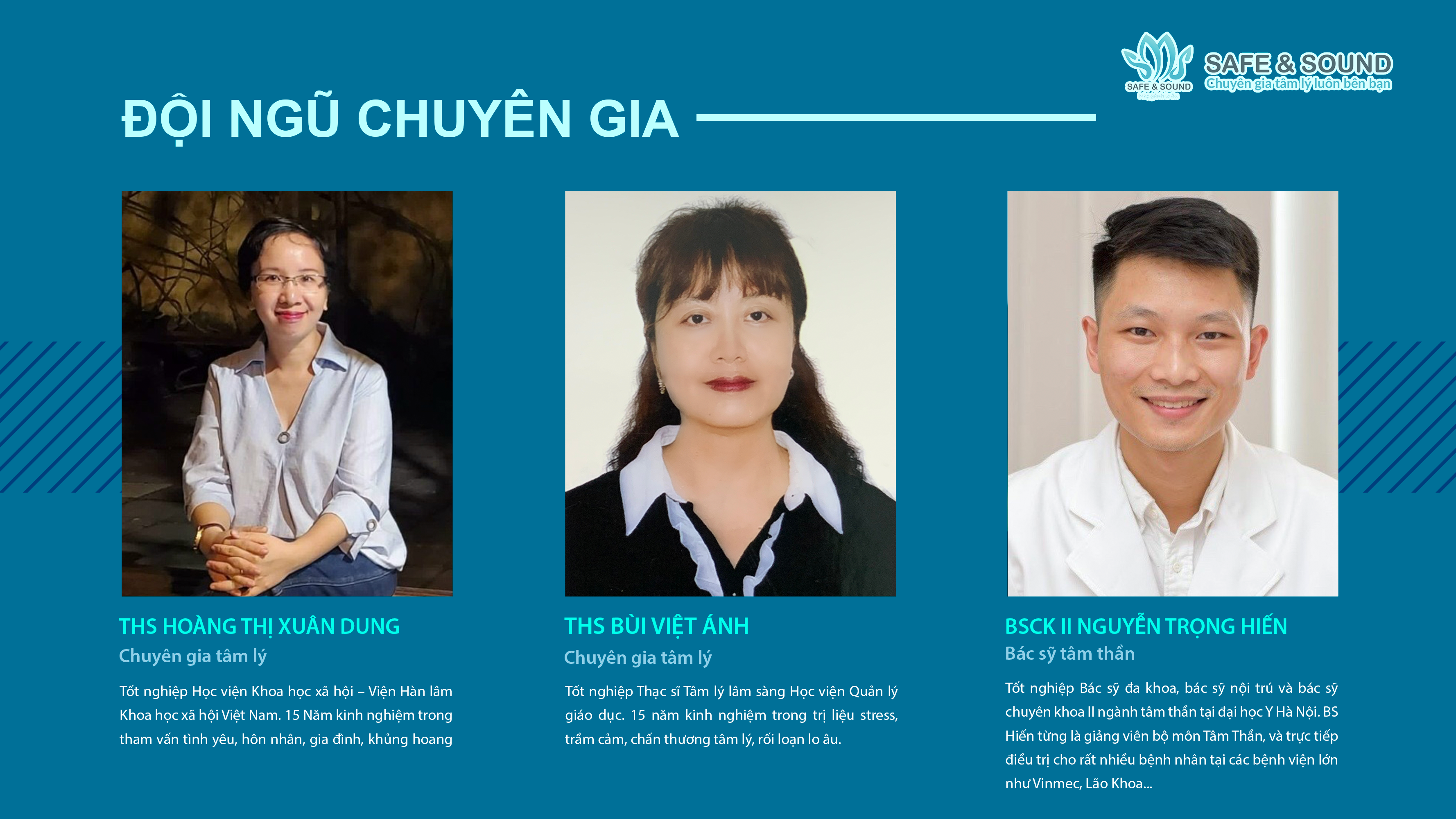
With the collaboration of psychiatrists, psychologists, and the application of technology in mental health care, Safe and Sound counseling/consultation service proudly pioneers in supporting you with "Early self-detection - Immediate emotional first aid - Long-term support."
If you suspect you have a mental health problem, or would like more information about our counseling services, please contact our HOTLINE at 0964 778 911 (Phone/Zalo, 24/7) for prompt assistance and answers!
HOW TO SCHEDULE AN APPOINTMENT for online or in-person consultation with a specialist.
- On the SNS Psychologist Fanpage
- Alternatively, download and schedule a consultation on the Safe and Sound app to manage and track your appointments anytime, anywhere.
Safe and Sound - part of the Institute of Applied Medical Technology (IMT)