
Signs of Stress: How to Recognize When Stress Is Affecting Your Body and Mind | Safe and Sound
Stress is a familiar part of modern life. Work, study, relationships, and major life changes can all make us feel stressed at times. However, not everyone realizes that stress affects more than emotions - it can also influence the body, thoughts, and everyday behavior. Recognizing the signs of stress early can help you better understand your current state, make appropriate lifestyle adjustments, and seek support before prolonged stress begins to affect your health and quality of life.
What Is Stress and Why Does the Body React When We Are Under Stress?
Stress is the body’s natural response when facing pressure, challenges, or situations perceived as difficult in life. However, when stress persists or occurs continuously, the body has to remain in a state of alert for an extended period, which can affect physical health, emotions, cognition, and behavior.
It is important to note that not everyone experiences stress in the same way. The same situation may leave one person feeling overwhelmed, while another may still be able to adapt and maintain balance. This is also why the signs of stress can appear very differently from one person to another.
Common Physical Signs of Stress
Stress does not only affect emotions but can also cause a wide range of physical changes. When stress persists, the body has to continuously maintain a state of adaptation to pressure, which can lead to symptoms related to sleep, digestion, the cardiovascular system, immunity, and many other functions. These are often noticeable signs, yet they can easily be overlooked in everyday life.
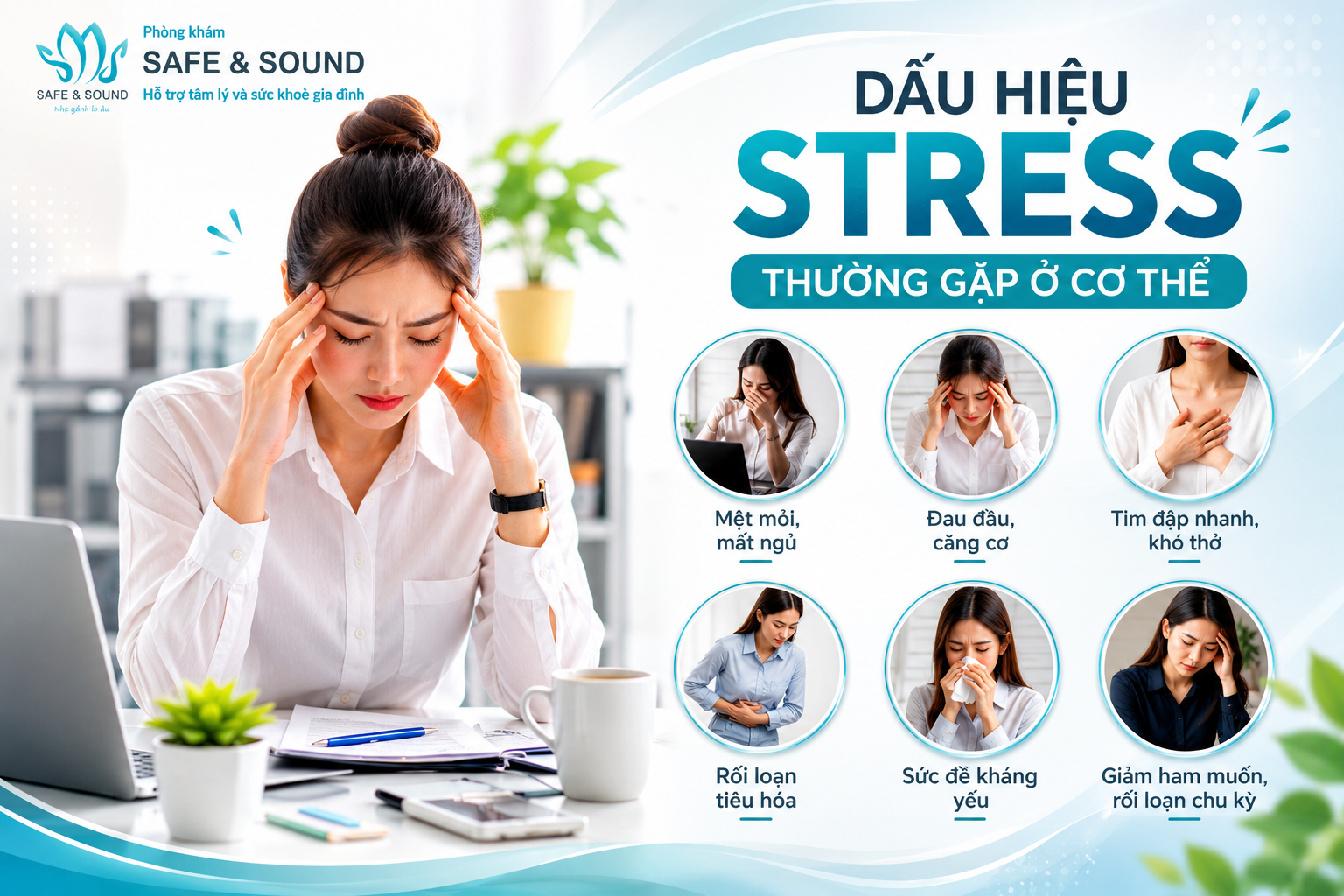
Fatigue, Insomnia, or Poor-Quality Sleep
Fatigue is one of the most common signs of stress. People experiencing stress often feel low in energy, have difficulty concentrating, or become exhausted quickly even when their workload has not changed significantly. This happens because the body has to continuously mobilize its resources to adapt to pressure over a prolonged period.
In addition, stress can directly affect sleep quality. Some people have difficulty falling asleep because their thoughts keep running, while others frequently wake up during the night or wake earlier than usual.
See also: Stress-Induced Insomnia: Warning Signs and Treatment Approaches
Headaches, Muscle Pain, Muscle Tension, or Jaw Clenching
When stress occurs, the body tends to increase muscle tension as a natural response to pressure. If this state persists, the muscles may not be able to relax fully, leading to pain or soreness in the neck, shoulders, back, or throughout the body.
Headaches are also a common symptom among people experiencing stress. In addition, some people may unconsciously clench their jaw or grind their teeth, especially while sleeping.
Rapid Heartbeat, Chest Pain, Shortness of Breath, or Sweating
Stress can affect the cardiovascular and respiratory systems, causing reactions such as a rapid heartbeat, palpitations, shortness of breath, or increased sweating. These are natural responses when the body prepares to cope with pressure or a perceived threat.
In some people, prolonged stress may also cause chest tightness or a feeling of breathlessness. These symptoms can sometimes make people worry about physical health problems, while the underlying cause may be related to prolonged stress.
Digestive Problems, Nausea, Bloating, or Acid Reflux
The digestive system is one of the systems that is particularly sensitive to stress. When stress persists, many people begin to experience symptoms such as abdominal pain, bloating, nausea, constipation, diarrhea, or acid reflux.
It is important to note that these symptoms can occur even when there have been no significant changes in diet. Therefore, if digestive symptoms persist or recur frequently, it is worth considering whether stress may be contributing to changes in digestive function.
Reduced Immunity, Frequent Colds, or Flu
In the short term, stress can make the body react more strongly to environmental factors. However, when stress becomes prolonged, the immune system may gradually weaken and become less effective at protecting the body from illness.
Some people notice that they become more prone to colds, flu, or common infections than before. Recovery from illness or injury may also take longer when the body is simultaneously dealing with prolonged stress.
Reduced Sexual Desire or Changes in the Menstrual Cycle
Stress does not only affect mood but can also influence reproductive health. Prolonged stress may reduce interest in sexual activity, making many people feel less interested or making it more difficult to maintain intimacy with their partner.
In women, stress may also be associated with changes in the menstrual cycle, such as irregular periods or more noticeable discomfort during menstruation. These are signs that stress can affect not only mental well-being but also many other functions of the body.

Distinguishing Between Mild and Severe Signs of Stress
The impact of stress is not the same for everyone and may also change over time. In the early stages, stress often appears through relatively mild signs such as difficulty concentrating, forgetfulness, increased worry, fatigue, poor-quality sleep, or irritability. Some people may also experience headaches, muscle tension, or low energy in daily activities. These symptoms often tend to improve when the source of pressure decreases or when the body is given enough time to rest and recover.
However, if stress continues or repeatedly builds up without being managed, the signs may become more severe and begin to noticeably affect daily life. People experiencing severe stress may frequently feel overwhelmed, struggle with prolonged insomnia, find it difficult to maintain performance at work or school, lose interest in activities they once enjoyed, or withdraw from social relationships. Some people may also turn to alcohol, tobacco, or stimulants as a way of coping with pressure.
In particular, symptoms such as persistent insomnia, intense anxiety or panic, frequent chest pain, shortness of breath, prolonged feelings of hopelessness, or negative thoughts about oneself should not be overlooked. These may indicate that stress has exceeded the body’s ability to restore balance and requires timely attention and support rather than continuing to endure it alone.
Why Are Signs of Stress Often Overlooked?
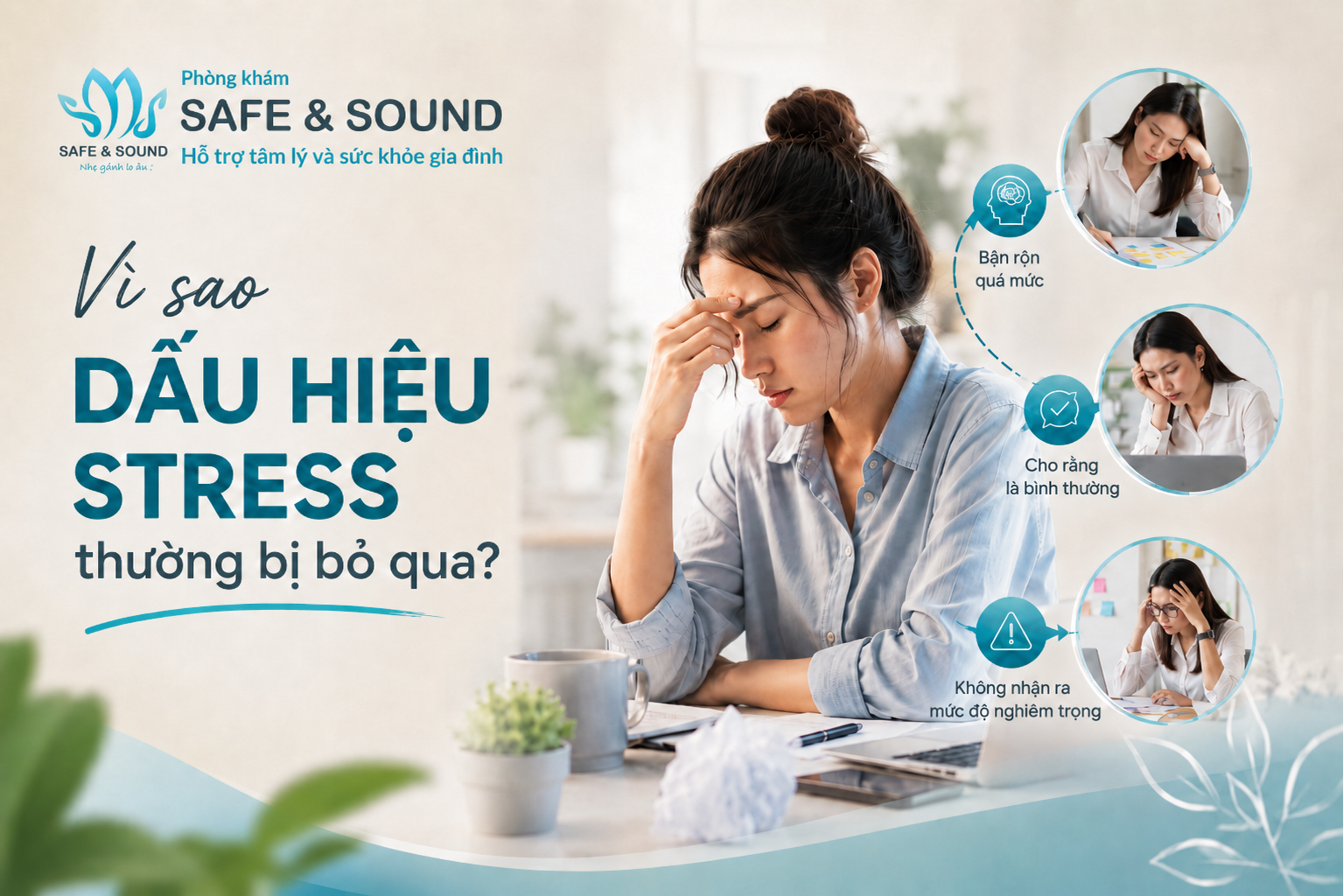
One of the reasons stress can persist is that many people do not recognize that the changes occurring in their body and mind may be related to stress. Signs of stress often develop gradually and can easily be mistaken for common everyday problems. When these symptoms are not correctly recognized, people experiencing stress may continue living under pressure for a long time without receiving appropriate support.
Many Signs of Stress Resemble Common Everyday Problems
Headaches, fatigue, insomnia, reduced concentration, or body aches are all fairly common symptoms. As a result, many people assume they are simply the result of overwork, lack of sleep, or temporary pressure. However, if these symptoms occur frequently or persist over time, they may be signs that the body is being affected by stress.
Stress Does Not Only Show Up Through Emotions
Stress and anxiety can cause rapid heartbeat, palpitations, shortness of breath, or chest tightness in some people. However, these symptoms are not specific to stress and may also be associated with a range of other health conditions. If chest pain or shortness of breath is new, severe, persistent, or accompanied by other unusual symptoms, medical evaluation is recommended.
We Often Pay More Attention to Physical Symptoms Than to Our Emotional State
When symptoms such as stomach pain, insomnia, or prolonged fatigue occur, many people try to improve each problem separately without asking whether stress may also be playing a role. This can cause the underlying factor to be overlooked while stress continues to affect both physical and mental health.
Prolonged Stress Often Becomes a “New Normal”
Some people live under pressure for so long that they gradually become accustomed to feeling tense, exhausted, or anxious. They begin to see these states as an unavoidable part of work and daily life rather than recognizing that the body is sending signals that it needs rest or support. This adaptation can mean that many cases are only noticed once the symptoms have already had a significant impact on health or quality of life.
See also: 8 Effective Ways to Reduce Stress in Just 30 Seconds
What Should You Do When You Notice Signs of Stress?
When you notice signs of stress, it is important to actively identify the factors causing pressure and observe how your body responds to stress. Understanding the source of stress can help you choose more appropriate ways of coping rather than focusing only on managing individual symptoms.
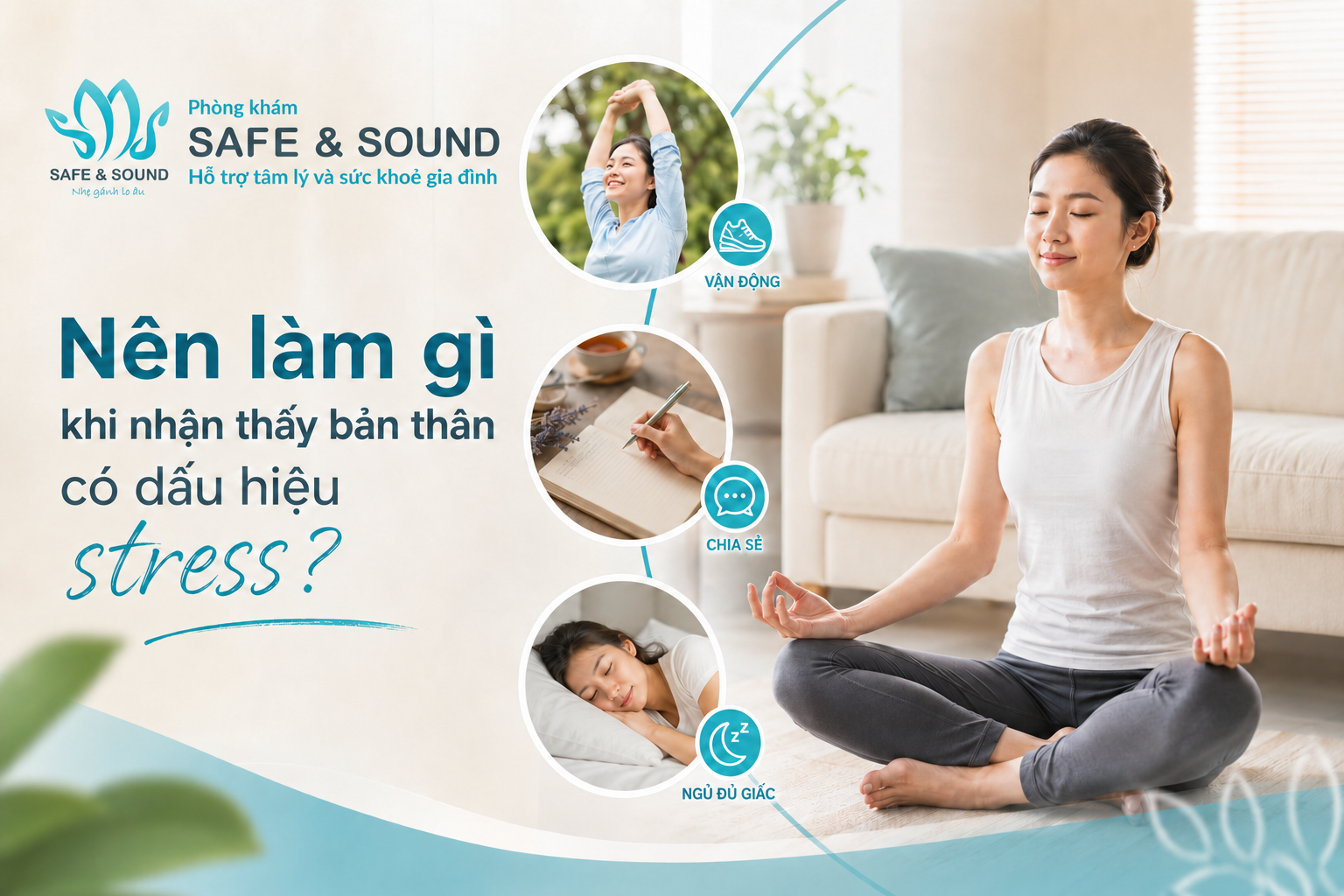
At the same time, make time for adequate rest, practice deep breathing, and maintain activities that help the body relax. Habits such as regular physical activity, balanced nutrition, and getting enough sleep can help improve the body’s ability to adapt to stress and reduce uncomfortable symptoms.
Sharing your feelings with family members, friends, or someone you trust may also help reduce psychological pressure and feelings of isolation. At the same time, alcohol, tobacco, caffeine, or other stimulants should not be used as ways of relieving stress, as these are usually only temporary solutions and may make stress more difficult to manage over time.
See also: How to Maintain a Positive Mindset and Reduce Stress Effectively with a Psychologist
When Should You Seek Professional Support?
Not every case of stress requires immediate professional intervention. Many people are able to improve their stress levels by resting, adjusting their lifestyle, or reducing the pressures they are facing. However, if the signs of stress persist, occur frequently, or increasingly interfere with daily life, seeking support from a mental health professional may be an important step toward understanding your condition and receiving appropriate support.
Some of the following signs indicate that it may be time to consider speaking with a professional:
| Situation | What to Consider |
|---|---|
| Signs of stress persist and become increasingly severe | Symptoms such as insomnia, fatigue, anxiety, or tension do not improve despite rest or lifestyle changes. |
| Stress affects work, study, or relationships | Work performance declines, concentration becomes difficult, conflicts with others occur more frequently, or you feel that you are losing control of everyday life. |
| Panic, feelings of hopelessness, or thoughts of self-harm appear | These are signs that should be taken seriously, and seeking professional support should not be delayed. |
| Self-care measures are no longer effective | Rest, exercise, lifestyle adjustments, or sharing with loved ones no longer improve the situation as they once did. |
It is important to remember that seeking professional support does not mean that you are weak or unable to overcome difficulties on your own. On the contrary, it is a proactive way of caring for your mental health when your body and mind are sending signals that they need greater attention.
Conclusion
Signs of stress can appear in many different forms, ranging from fatigue, insomnia, and headaches to anxiety, irritability, or changes in everyday behavior. These symptoms are ways in which the body and mind respond to the pressures we are facing.

Recognizing signs of stress early can help people take a more proactive approach to mental health, make appropriate lifestyle adjustments, and prevent the negative effects that may occur when stress becomes prolonged. In many cases, adequate rest, healthy habits, and reducing unnecessary pressure can gradually help the body regain balance. However, if stress persists and increasingly affects work, study, relationships, or quality of life, seeking professional support should be considered.
At SNS (Safe & Sound Clinic), we understand that each person may experience stress in very different ways. With the support of a professional mental health team, people experiencing stress, anxiety, or other pressures in life can be listened to, assessed, and supported according to their individual needs. Sometimes, seeking support is not because you are not strong enough to overcome difficulties on your own, but because mental health deserves the same care and attention as physical health.
