

5 Key Health Metrics a Smart Ring Can Track Daily
We often only pay attention to our health when our bodies show unusual signs. However, many important changes occur silently through indicators such as heart rate, SpO2, or sleep quality that are difficult to detect with the naked eye. That's also why wearable health trackers and smart rings are becoming increasingly popular. Not only do these devices record daily health data, but they also help users better understand their bodies so they can proactively take care of their health from an early age. So what are the key metrics that a modern smart ring can track?
Why is monitoring daily health metrics becoming increasingly important?
Previously, most people only checked their health during routine checkups or when they experienced clear symptoms. However, current healthcare trends are shifting towards a more proactive approach.
Instead of waiting for their bodies to send warning signals, many people choose to monitor their health indicators daily to understand their own condition. This is especially important in the context of increasing work pressure, late-night habits, lack of exercise, and prolonged stress. These factors can affect the body over the long term without us realizing it.
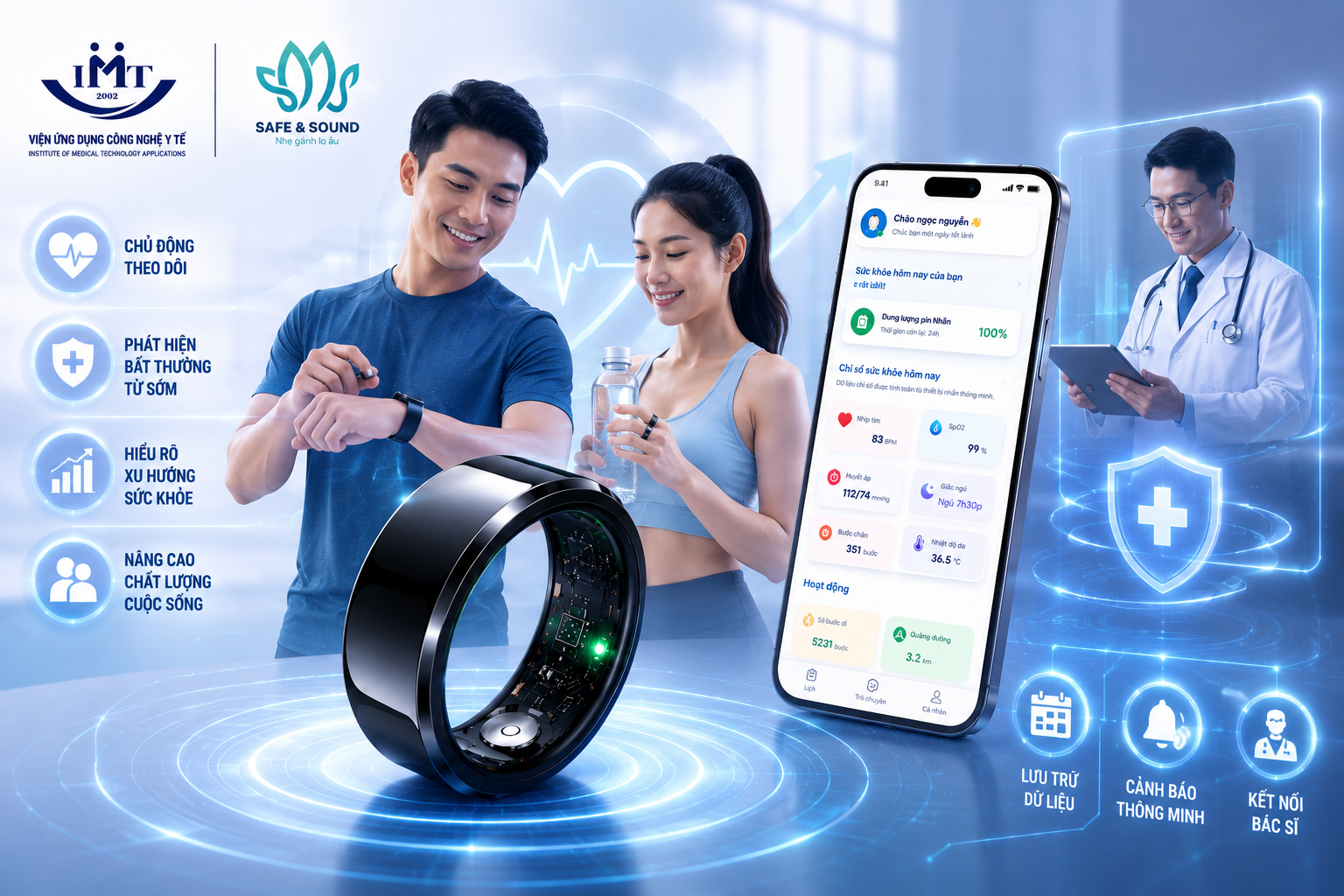
Thanks to technological advancements, health monitoring no longer relies solely on specialized medical devices. With just a smart health tracking ring, users can record a wealth of important data in their daily lives.
>> See also: Top 7 Ways to Monitor Your Health Daily That Many People Are Currently Applying
5 Health Indicators You Can Track with a Smart Ring
When first using health tracking devices, many people are often overwhelmed by the amount of data displayed on the app. However, in reality, not all metrics are equally valuable for monitoring overall health.
Several metrics act as "quick reports" reflecting the body's functioning, recovery capabilities, and potential future abnormalities. Below are five of the most important metrics that users should pay attention to.
Heart rate monitoring – An indicator of body activity.
Among the many health data points that smart devices can record today, heart rate is always considered one of the most important indicators. It's not just a number showing the number of heartbeats per minute, but also quite clearly reflects the body's activity level at different times.
Heart rate changes during exercise, stressful work, anxiety, or even simply climbing stairs. This is perfectly normal. However, what is concerning are prolonged or continuous changes that users may not be able to detect through their own senses.
Through health-tracking smart rings, heart rate data can be recorded continuously throughout the day instead of only appearing at a few specific times. This helps users see changes in their bodies instead of relying on individual numbers.
Some of the information that heart rate data can help users monitor includes:
- Resting heart rate
- Heart rate during exercise
- Heart rate fluctuations throughout the day
- The level of body recovery after exercise
- Signs of prolonged stress or fatigue
It's important to remember that a high or low heart rate doesn't always indicate a health problem. The real value lies in monitoring the data over time to detect any unusual changes from your body's normal state.
Monitor SpO2 – A metric many people often overlook.
In fact, many people only start learning about SpO2 levels during health checkups or during outbreaks of respiratory illnesses. However, this is a very important indicator for the body's vital functions.
SpO2 stands for Saturation of Peripheral Oxygen, also known as blood oxygen saturation. This index reflects the ability of the circulatory system to transport oxygen from the lungs to the body's organs.
Simply put, the human body is like a machine that needs oxygen to function. When there is an adequate supply of oxygen, the organs will operate more smoothly. Conversely, if the oxygen supply is compromised for an extended period, the body can experience various health problems.
It's worth noting that fluctuations in SpO2 are often not easily noticeable through the senses. A person may still be able to go about their daily life and work normally, but subtle changes in their internal health indicators may already be appearing.
Some cases where SpO2 levels should be given special attention include:
- People who regularly engage in high-intensity exercise.
- Elderly people
- People with cardiovascular or respiratory conditions
- People who frequently experience insomnia or have trouble sleeping soundly.
- People who want to proactively monitor their health every day.
Through the smart health-tracking ring, SpO2 data is continuously recorded and synchronized on the app. This allows users not only to know their current level but also to track trends over time, enabling them to make more appropriate adjustments to their daily lives.
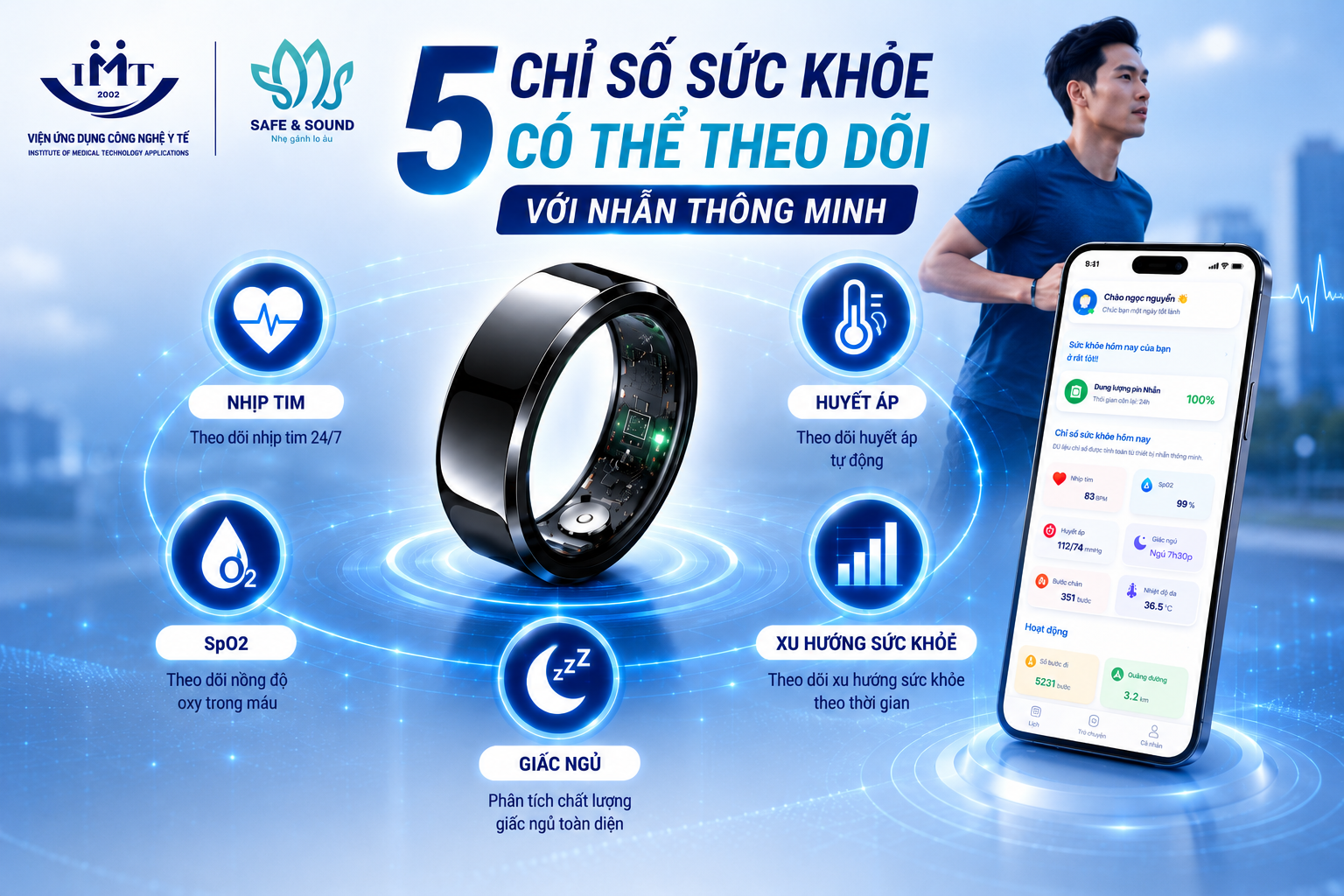
Monitoring blood pressure – Gaining a better understanding of cardiovascular health.
Blood pressure has long been considered one of the most important indicators related to cardiovascular health. However, it is also the indicator that many people often overlook. Many believe that only older people need to pay attention to their blood pressure. In reality, work pressure, prolonged stress, staying up late, an unhealthy diet, and lack of exercise are causing abnormal blood pressure to appear in young people as well.
It's worth noting that blood pressure fluctuations often occur silently. Many cases are only discovered when symptoms such as headaches, dizziness, fatigue, or more serious complications appear. Meanwhile, regular blood pressure monitoring helps users better understand changes in their bodies before obvious signs appear.
Factors that can affect blood pressure on a daily basis include:
- Prolonged stress
- Lack of sleep
- Consuming too much salt
- Drinking too much coffee or stimulants
- Lack of physical activity
- Overweight, obesity
- Underlying cardiovascular diseases
A single blood pressure measurement often doesn't reflect the full extent of one's health. Conversely, when data is continuously stored daily, weekly, and monthly, users gain a more comprehensive view of their cardiovascular health.
Sleep tracking – An indicator reflecting the body's ability to recover.
If we had to choose one feature that most significantly changes users' perceptions after using a health-tracking smart ring, it would probably be its sleep tracking capability.
Many people still think that simply getting 7-8 hours of sleep is enough for the body to rest properly. However, the quality of sleep is the deciding factor in the body's ability to recover. A quality sleep typically includes several different stages, with deep sleep playing a particularly important role in physical and mental recovery.
When sleep is disrupted for an extended period, the body can exhibit many symptoms such as persistent fatigue, difficulty concentrating, impaired memory, irritability, decreased work performance, and an increased risk of cardiovascular diseases.
Through data collected from sensors, smart rings can provide users with a lot of valuable information such as:
- Total sleep time
- Deep sleep time
- Number of times waking up in the middle of the night
- Overall sleep quality
- Trends in sleep patterns over time
Interestingly, many people only truly realize the health risks associated with their habits after reviewing their sleep data. Thanks to continuous tracking, users can gradually adjust their lifestyles and build better habits for long-term health.
Tracking health trends over time – The greatest value of health tracking technology.
When first using health tracking devices, many people tend to focus on the numbers: What is my heart rate today? Is my SpO2 normal? How many hours did I sleep last night?
However, after some time using it, users will realize that the greatest value lies not in each individual data point, but in the ability to connect them into a comprehensive picture of health.
If you only look at a single day, these changes are almost insignificant. But when the data is stored for weeks or months, health trends begin to become clearer. Users may discover:
- Periods when the body is under a lot of stress.
- Habits that affect sleep
- The time when health begins to decline.
- Positive changes after lifestyle adjustments.
- The effectiveness of exercise or nutrition regimens
The ultimate goal is to help each person understand their body better every day. This is also the direction that IMT Ring is pursuing. In addition to recording important health metrics such as heart rate, SpO2, blood pressure, and sleep, the device also supports users in proactively monitoring their health through data that is aggregated, analyzed, and stored within a single ecosystem.
By understanding the changes in our bodies, we no longer wait until our health issues become apparent before we start paying attention, but can proactively take care of ourselves from the smallest signs.

|
Health Index |
Meaning |
|
Heart rate |
Reflects the activity of the cardiovascular system and the state of the body. |
|
SpO2 |
Monitor the body's oxygen supply. |
|
Blood pressure |
Support for cardiovascular health assessment |
|
Sleep |
Reflects the ability to recover and rest. |
|
Health data trends |
Helps detect abnormal changes over time. |
A summary of 5 important health indicators to monitor.
Health monitoring is more than just looking at data.
In recent years, the use of health tracking devices has become more popular than ever. With just a smartwatch or smart ring, users can access a range of body-related data such as heart rate, blood pressure, SpO2, step count, and sleep quality.
It's quite common for many people to own health tracking devices but rarely open the app to view the data. Even when they do see the metrics displayed, many still don't truly understand what those numbers represent.
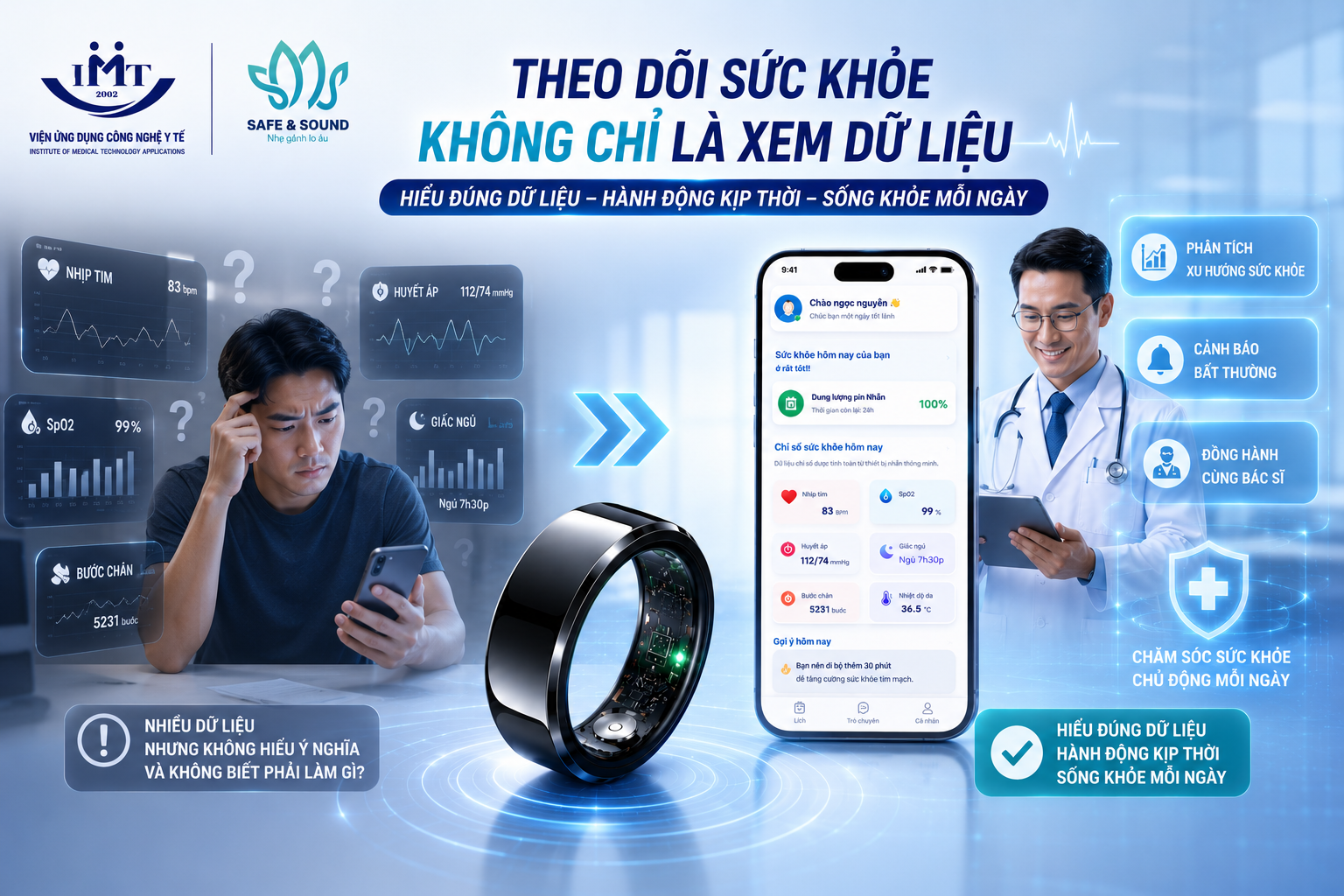
In reality, the value of health tracking technology doesn't lie in displaying a lot of numbers. More importantly, it helps users understand the meaning of those metrics and recognize when their bodies are sending signals that require attention.
That's also why modern healthcare trends are shifting from "measurement" to "analysis and support." Instead of just recording data, next-generation healthcare platforms aim to support users:
- Track changes in health trends over time.
- Detecting abnormalities early
- Warning when the index exceeds safe limits.
- Suggesting actions appropriate to your current health condition.
- Connect with experts when you need in-depth advice.
Users will no longer have to manually decode vast amounts of complex data every day. Technology will act as a personal health assistant, making health monitoring and management simpler.
Ultimately, the goal of health monitoring isn't to collect as much data as possible. The goal is to understand your body better than you did yesterday so you can live healthier each day.
>> See also: What is Health Monitoring? Listing 6 Important Benefits in Modern Life
Conclude
Health doesn't change overnight, and abnormal signs don't usually appear suddenly. They are reflected through small amounts of data that we might easily miss if we don't monitor them regularly.
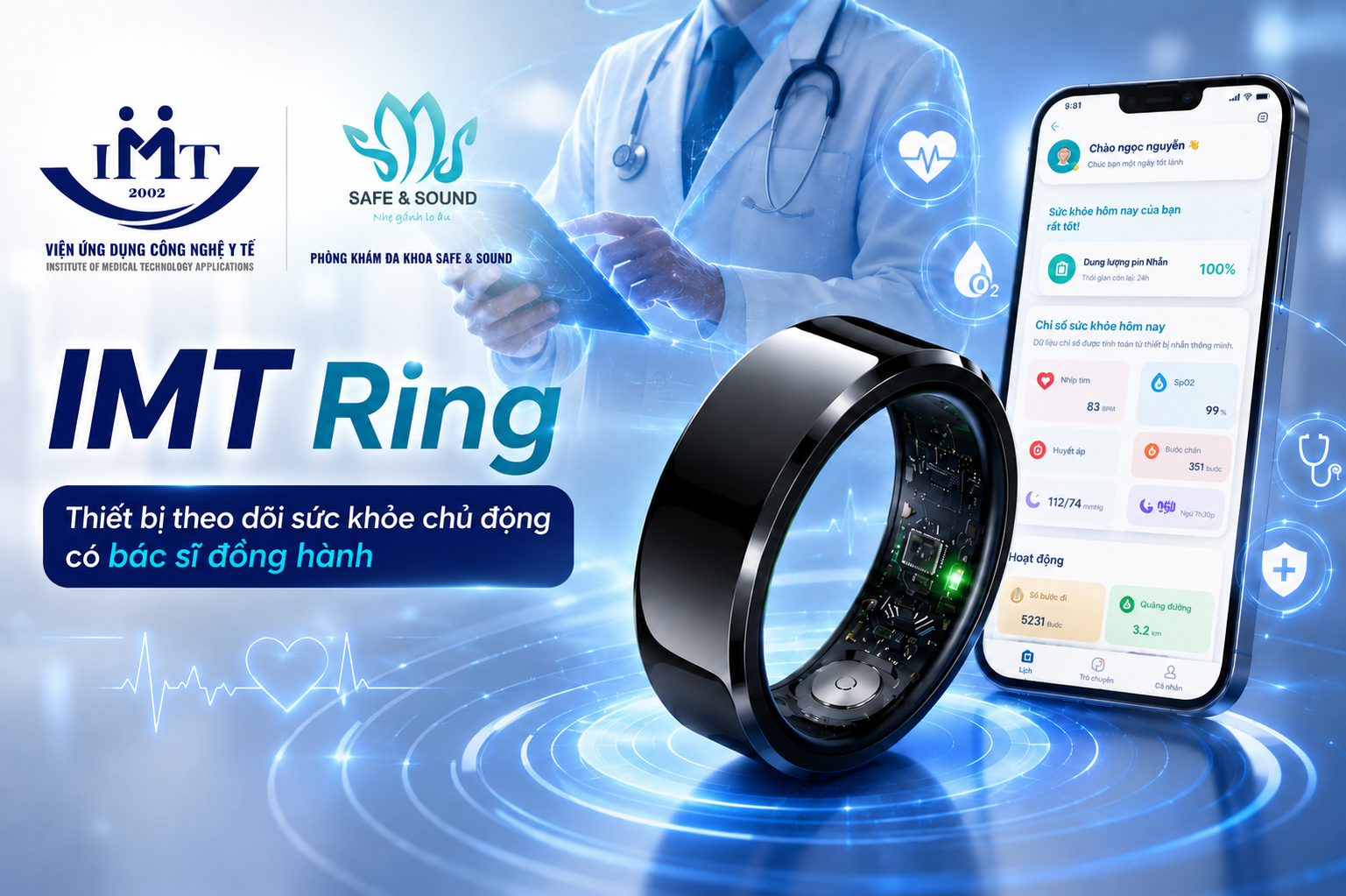
Developed with the vision of a "proactive health monitoring device with a doctor's support," the IMT Ring not only supports monitoring metrics such as heart rate, SpO2, blood pressure, and sleep, but also aims to build a comprehensive healthcare ecosystem. Through its integrated AI technology platform and expert connectivity, users can easily monitor, manage, and better understand their health status every day.
If you're looking for a solution that helps you proactively monitor your health in a simpler and more convenient way in modern life, the IMT Ring could be a worthwhile option to start your health care journey with even the smallest changes each day.
